Guide to Silicon Carbide Tools from flap wheel manufacturers
Selecting high-performance abrasive tools requires a deep understanding of the relationship between abrasive grit, bonding agents, and the specific material being processed. For industrial operations involving stone, concrete, and cast iron, the precision of the cut and the longevity of the tool are paramount to maintaining operational efficiency. Whether you are sourcing from global flap wheel manufacturers or specialized cutting disc producers, the choice of silicon carbide over aluminum oxide often dictates the success of non-ferrous metal and masonry applications.
The efficiency of a resin-bonded cutting disc depends on its construction—specifically the integration of fiberglass reinforcement to ensure operator safety and stability at high rotational speeds. In this guide, we analyze the technical specifications of silicon carbide discs, specifically focusing on grit sizes like 46# and 60#, and how these parameters influence stock removal and cutting accuracy in heavy-duty masonry and stone working environments.

Technical Composition of Silicon Carbide Resin Bonded Abrasives
Silicon carbide is a synthetic abrasive known for its extreme hardness, exceeding that of aluminum oxide. This characteristic makes it the ideal choice for cutting through non-ferrous materials such as brass, aluminum, and titanium, as well as hard, brittle materials like stone, concrete, and cast iron. When bonded with high-quality resin, these grains create a cutting edge that maintains sharpness even under intense thermal stress.
The structural integrity of these discs is achieved through the strategic placement of fiberglass reinforcing layers. These layers prevent the disc from shattering under the centrifugal force of high RPMs, providing a critical safety margin for the operator. For professional masonry applications, the balance between the bond hardness (such as Grade R) and the grit size determines whether the tool will provide a fast, aggressive cut or a more refined, precise finish.
Furthermore, adhering to international standards like EN 12413 ensures that these tools meet stringent safety and performance benchmarks. This standardization allows procurement managers to maintain consistency across different batches, reducing the risk of tool failure and improving the predictability of production timelines in industrial stone-cutting shops.

Optimizing Cutting Performance in Masonry and Concrete Applications
In the realm of stone and concrete working, the distinction between a standard cutting disc and an ultra-thin variant is significant. Ultra-thin discs, such as the 1.0mm thickness models, are engineered to minimize material loss (kerf) and reduce the energy required for the cut. This results in faster penetration and a cleaner edge, which is essential for high-precision tile and paver stone installation.
The application of silicon carbide is particularly effective in masonry because it resists the abrasive wear caused by the silica content in concrete and brick. When utilizing a 4.5-inch wheel with a 7/8-inch arbor, compatibility with most standard angle grinders is ensured, allowing for seamless integration into existing tool chests for both DIY and professional contractors.
To maximize tool life, operators should avoid excessive pressure, letting the abrasive grains do the work. This prevents the resin bond from overheating and glazing, ensuring that the disc continues to expose fresh, sharp abrasive particles throughout the duration of the job. For those researching flap wheel manufacturers and abrasive suppliers, understanding this interplay between heat and bond degradation is key to reducing cost-per-cut.
Manufacturing Precision and Quality Traceability Systems
Quality in abrasive manufacturing is not merely about the final product but the control of the entire process. From the initial inspection of raw silicon carbide and resin to the final visual check, a robust traceability system is essential. Advanced facilities utilize computer-controlled electric heating tunnel hardening furnaces to ensure that the temperature is monitored at all key areas, which guarantees the stable hardness and consistency of the bonded wheel.
A professional manufacturing approach includes a dedicated raw material laboratory. By testing every incoming batch of abrasive grains and bonding agents before they enter the warehouse, manufacturers can prevent defects at the source. This rigor is complemented by physical and performance tests carried out on samples from every production batch, ensuring that no non-conforming products reach the end user.
The use of European-market test workpieces allows manufacturers to simulate real-world conditions, ensuring that the discs perform as expected in diverse geological environments, from soft limestone to hard granite. This commitment to quality assurance, backed by ISO9001 and OHSAS 18001 certifications, provides the reliability needed for large-scale industrial contracts where downtime is costly.
Technical Specifications for Stone Cutting Discs
| Item Number | Dimensions (mm) | Max Speed (m/s) | Primary Application |
|---|---|---|---|
| DCC1003316 | 100 x 3.2 x 16 | 80 m/s | Concrete & Stone |
| DCC1153222 | 115 x 3.2 x 22.2 | 80 m/s | Masonry & Cast Iron |
| DCC1253222 | 125 x 3.2 x 22.2 | 80 m/s | Brick & Tile |
| DCC1803222 | 180 x 3.2 x 22.2 | 80 m/s | Heavy Stone Slabs |
| DCC2303222 | 230 x 3.2 x 22.2 | 80 m/s | Industrial Concrete |
Procurement Strategies for Industrial Abrasive Tools
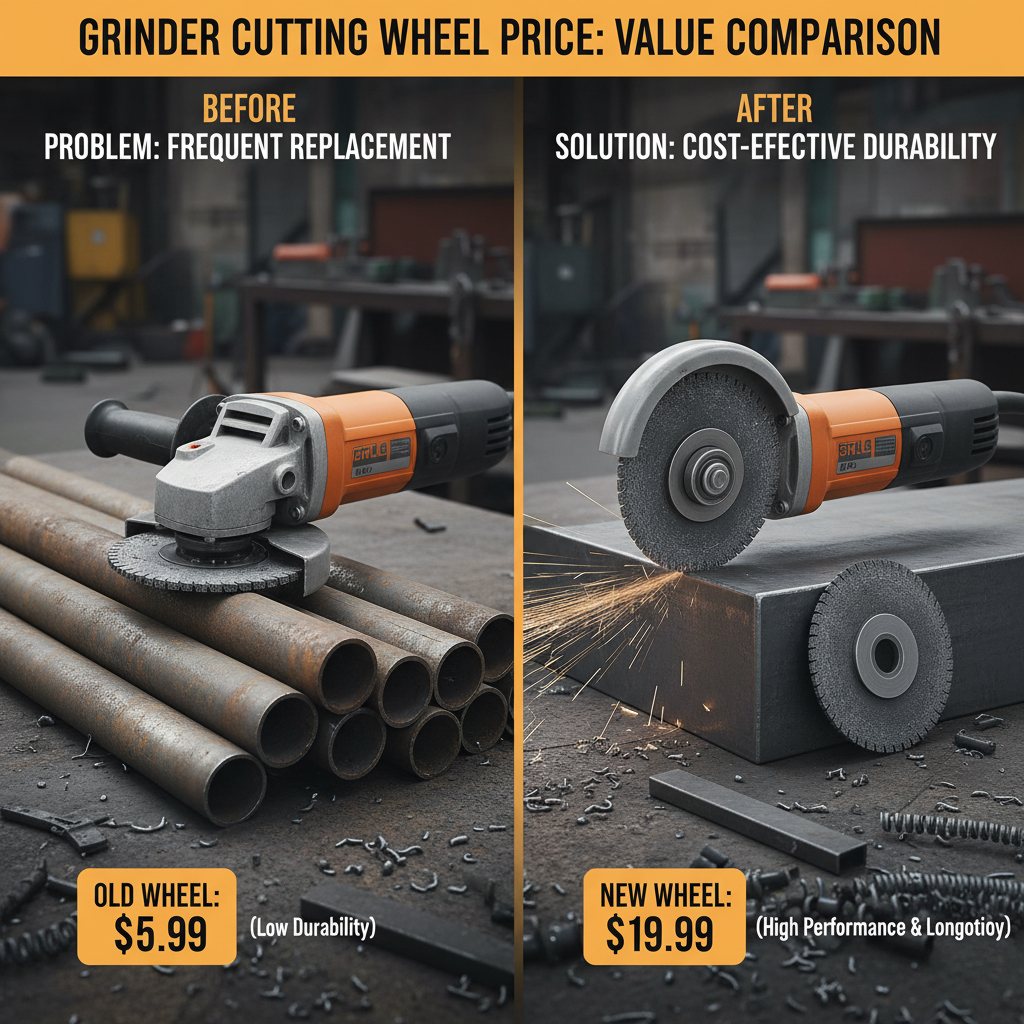
When evaluating abrasive suppliers, procurement managers should look beyond the unit price and focus on the Total Cost of Ownership (TCO). This includes the tool's wear rate, the speed of the cut, and the safety certifications provided. A disc that costs 10% more but lasts 30% longer significantly reduces the frequency of tool changes and the overall cost per project.
Customization capabilities are another critical factor. The ability to adjust grit size (e.g., shifting from 46# for aggressive removal to 60# for a smoother finish) or modifying the arbor size to fit specific machinery can streamline operations. Working with a partner that integrates research, production, and marketing ensures that the tool is optimized for the specific hardness of the material being cut in a particular region.
Finally, verifying the manufacturer's export experience and adherence to international standards like the MPA EN12413 is non-negotiable. A supplier with a proven track record in over 70 countries indicates a capacity to meet various global regulatory requirements and a commitment to consistent quality across large-scale shipments.
Future Trends in Abrasive Tool Engineering
The industry is moving toward "smarter" abrasives that offer better heat dissipation and longer life cycles. New developments in resin chemistry are allowing for bonds that are more resilient to thermal shock, reducing the risk of disc warping or premature wear during continuous high-speed operations. This is particularly vital for the evolution of ultra-thin cutting discs where the margin for error is minimal.
Sustainability is also becoming a focal point. The reduction of waste during the manufacturing process and the development of more durable grains mean that fewer tools are discarded over time. As industrial standards evolve, the integration of fully-automatic production equipment allows for tighter tolerances and zero-defect packaging, ensuring that the product arriving at the site is in perfect condition.
For companies in the construction and metalworking sectors, the trend is toward specialized tools rather than general-purpose ones. By matching the specific abrasive grain (Silicon Carbide) and bond hardness to the exact material (e.g., high-density concrete), businesses can achieve higher precision and significantly improved safety margins for their workforce.
Frequently Asked Questions on Abrasive Cutting Tools
What is the main difference between Silicon Carbide and Aluminum Oxide for cutting?
Silicon Carbide is harder and more brittle, making it superior for cutting non-ferrous metals (aluminum, brass), stone, concrete, and cast iron. Aluminum Oxide is generally preferred for softer steels and alloys.
What does the grit size (e.g., 46# vs 60#) indicate in a cutting disc?
Grit size refers to the size of the abrasive particles. A lower number like 46# indicates a coarser grain for faster material removal, while a higher number like 60# provides a finer finish and more precise cut.
Why is resin bonding preferred for stone cutting wheels?
Resin bonds provide a balance of strength and flexibility, allowing the abrasive grains to break away at the right time to expose new, sharp edges, which prevents the tool from glazing and overheating.
How does the EN 12413 certification impact safety?
EN 12413 is a European safety standard for bonded abrasive products. Compliance ensures the disc has been tested for burst strength and stability, significantly reducing the risk of accidents during high-speed use.
Can a masonry cutting wheel be used on non-ferrous metals?
Yes, silicon carbide-based masonry wheels are highly effective on non-ferrous metals like aluminum and brass because the abrasive is hard enough to cut through these materials without loading up the disc.
What is the purpose of fiberglass reinforcement in these discs?
Fiberglass mesh is embedded within the resin layers to provide structural reinforcement, preventing the disc from shattering under centrifugal force and ensuring the safety of the operator.
Technical References and Further Reading
- Silicon Carbide Properties and Applications
- ISO Standards for Abrasive Products
- OSHA Safety Guidelines for Abrasive Wheel Use
- European Standard EN 12413 Overview
Finding the right balance between cutting speed, tool life, and operator safety is the hallmark of a professional abrasive strategy. By focusing on high-grade silicon carbide and certified manufacturing processes, industrial users can optimize their masonry and metalworking workflows for maximum productivity.
Related Articles