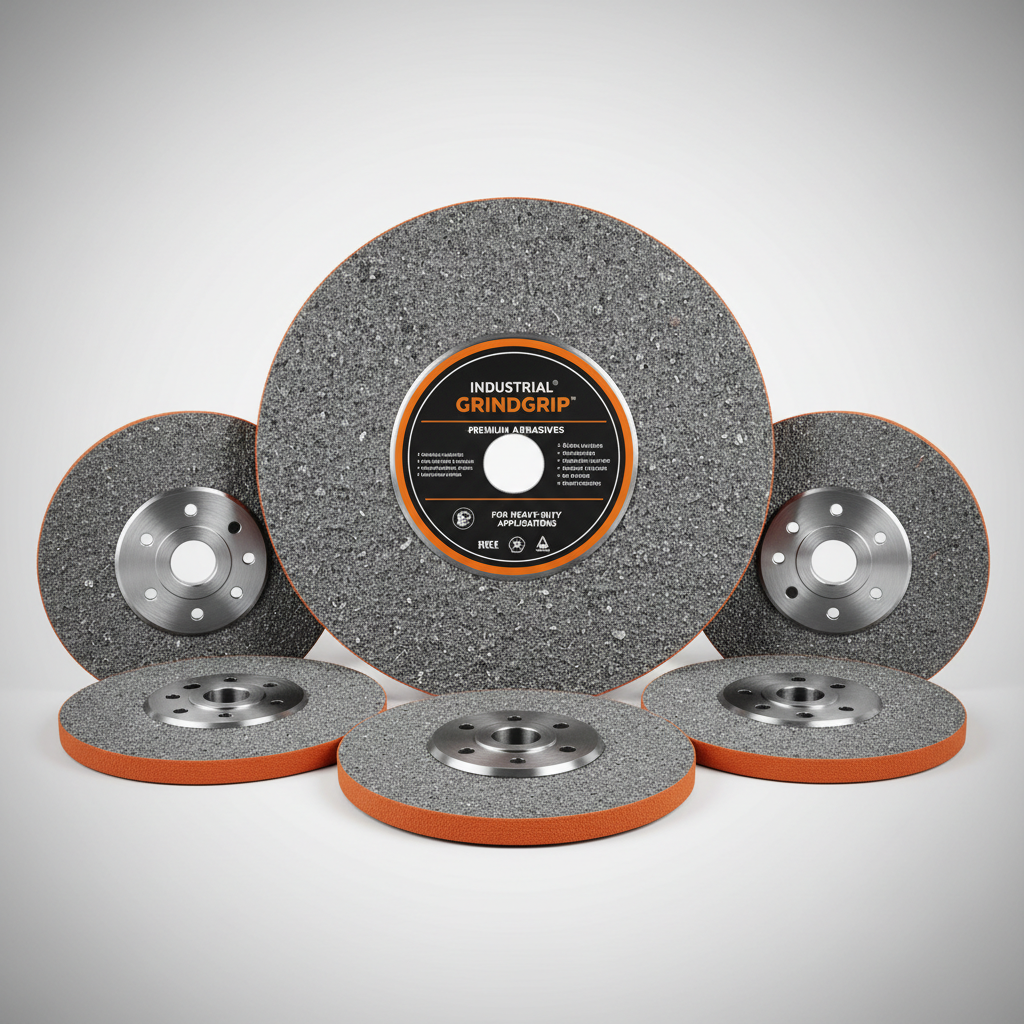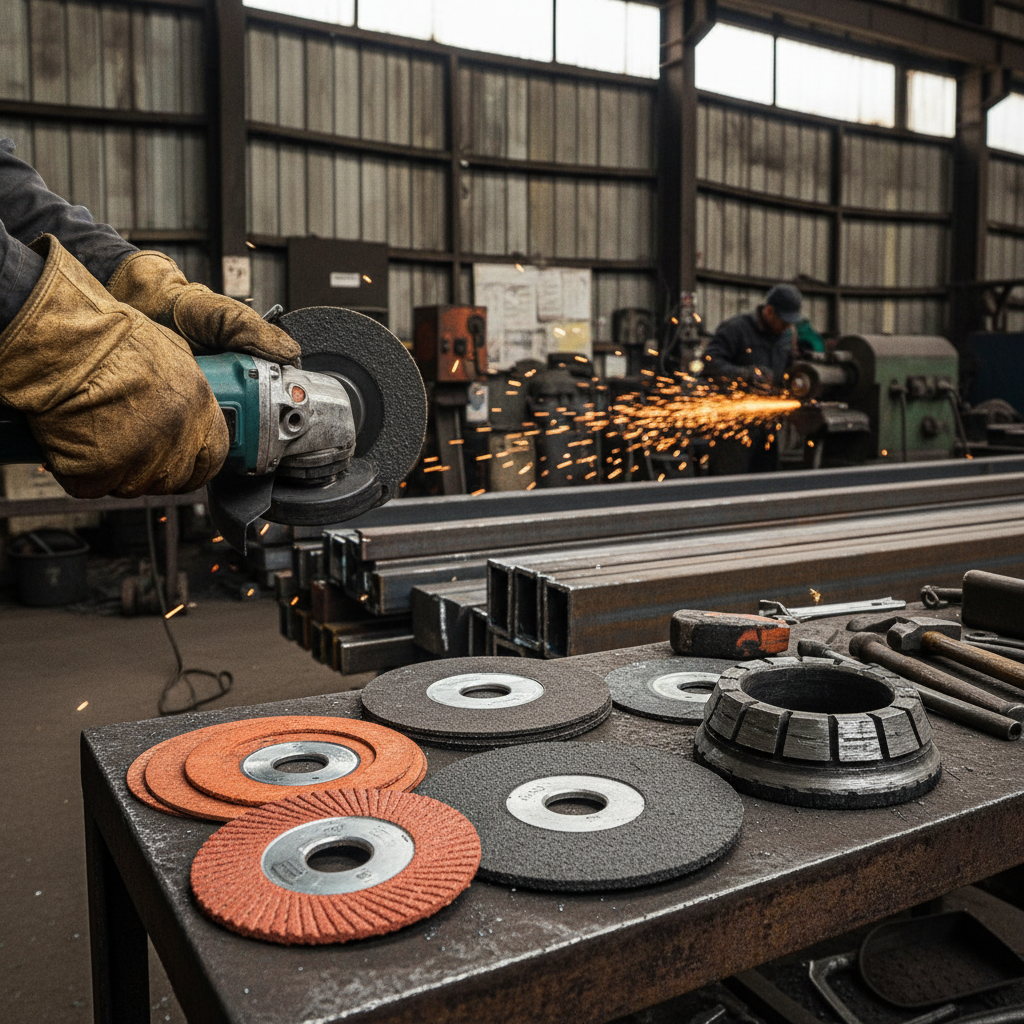
When analyzing the cutting disc for metal price, industrial procurement managers must look beyond the initial unit cost to understand the total operational expenditure. In the abrasive tools industry, the price of a cutting disc is not a fixed number but a variable influenced by the bonding agent, abrasive grain quality, and structural reinforcement.
The primary challenge for buyers is balancing the trade-off between low-cost generic discs and high-performance professional grade tools. Selecting a disc based solely on the lowest price often leads to higher costs per cut, increased downtime due to premature wear, and potential safety risks associated with disc failure.
This analysis provides a comprehensive framework for evaluating pricing structures, identifying the hidden cost drivers in abrasive manufacturing, and establishing a data-driven approach to selecting the most cost-effective cutting solutions for metal fabrication.

Direct Cost Drivers in Abrasive Manufacturing

The base cost of a metal cutting disc is primarily determined by the raw materials used in its composition. High-purity aluminum oxide or zirconium grains increase the price but significantly enhance the longevity and cutting speed of the tool. The bonding resin, which holds these grains together, also varies in cost depending on its thermal resistance and flexibility.
Furthermore, the manufacturing process itself adds to the final cost. Companies like Hebei Double Goats Grinding Wheel Manufacturing Co., Ltd. utilize fully-automatic production equipment and computer-controlled electric heating tunnel hardening furnaces to ensure stability. While automation requires high initial capital investment, it reduces the defect rate, which stabilizes the market price for high-volume orders.
Comparing Material Grades and Pricing Tiers
Pricing for metal cutting discs generally falls into three tiers: Economy, Professional, and Specialized. Economy discs often use lower-grade abrasives and thinner reinforcement, making them cheaper per unit but prone to faster wear. Professional discs balance performance and cost, typically suitable for general steel cutting in workshops.
Specialized discs, such as those designed for stainless steel (Inox), command a higher price due to the exclusion of iron, sulfur, and chlorine to prevent workpiece contamination. These discs require more precise raw material inspection and specialized mixing processes, which increases the production overhead and the subsequent market price.
The Impact of Reinforcement on Unit Cost
The structural integrity of a cutting disc is provided by the fiber mesh reinforcement. The use of high-strength, wear-resistant fiber mesh as the base material increases the safety and durability of the disc. Higher-density mesh provides better stability at high RPMs, reducing vibration and the risk of bursting, which justifies a price premium over non-reinforced or low-grade fiber discs.
From a technical perspective, the quality of the mesh affects the "wear-resisting" nature of the disc. A superior mesh structure allows for a more uniform grinding force and better water resistance, ensuring that the disc remains plastic and stable under extreme pressure, directly influencing the price-to-performance ratio.
Evaluating Cost Per Cut vs. Unit Price
The most critical mistake in procurement is focusing on the unit price rather than the cost per cut. A disc that costs 50% more but lasts 200% longer effectively reduces the total operational cost. This conceptual framework helps procurement officers realize that "cheap" discs can actually be the most expensive option over a production cycle.
The provided chart illustrates a conceptual relative efficiency index. While economy discs have the lowest entry price, their relative utility and longevity scores are significantly lower than professional or specialized grades, leading to a higher frequency of replacement and increased labor costs.
Bulk Procurement and Supply Chain Factors
Large-scale procurement significantly alters the cutting disc for metal price due to economies of scale. Manufacturers with high daily production capacities—such as those producing 400,000 pieces per day—can offer more competitive pricing for bulk contracts because they can optimize raw material sourcing and reduce the per-unit cost of machine operation.
Logistics and traceability also play a role. Implementing a quality information traceability system from raw materials to delivery ensures that the buyer receives consistent quality. While such systems add a layer of administrative cost, they prevent the massive financial loss associated with defective batches in a large-scale industrial environment.
Avoiding Common Pricing Pitfalls in Procurement
Many buyers fall into the trap of "nominal pricing," where they assume a lower price indicates a similar product with a better deal. However, differences in grit size (coarse vs. medium) and disc thickness can drastically change the performance. A thin disc may be cheaper but will wear out faster when cutting thick-walled metal pipes.
Another pitfall is ignoring the "hidden" cost of downtime. Every time a technician stops work to replace a worn-out disc, the company loses productive hours. When the price of labor is factored in, the cost of a high-end, long-lasting disc becomes negligible compared to the cost of frequent interruptions caused by low-quality tools.
Decision Framework for Abrasive Tool Investment
To determine the optimal purchase, buyers should use a weighted evaluation matrix. This involves assessing the specific metal being cut, the required precision, and the volume of cuts per day to match the product grade with the operational need.
| Disc Grade | Primary Cost Driver | Ideal Application | ROI Profile |
|---|---|---|---|
| Economy Grade | Low-cost Abrasives | Light-duty/DIY | Low (High Waste) |
| Professional | Balanced Resin/Grain | General Fabrication | Medium (Stable) |
| Inox/Stainless | Contamination-free | Stainless Steel | High (Precision) |
| High-Strength | Premium Fiber Mesh | Heavy Industrial | High (Durability) |
| Multi-Purpose | Hybrid Grain Mix | Various Metals | Medium (Versatile) |
| Custom-Spec | Specialized Grits | Aerospace/Auto | Very High (Specific) |
By utilizing this framework, procurement teams can move from a "lowest price" mindset to a "best value" strategy, ensuring that the cutting disc for metal price paid correlates directly with the operational efficiency gained.
Frequently Asked Questions
The primary factor is the quality and type of abrasive grains (e.g., Aluminum Oxide vs. Zirconium) and the grade of the fiber mesh reinforcement used for structural stability.
Inox discs must be free of iron, sulfur, and chlorine to prevent the stainless steel from rusting or contaminating, requiring stricter raw material control and specialized manufacturing.
Yes, generally, because manufacturers can optimize production runs and reduce the per-unit overhead cost when producing large batches.
High-strength fiber mesh increases the unit price but provides essential safety and wear resistance, allowing the disc to operate at high speeds without excessive vibration.
Unit price is the cost of one disc. Cost per cut is the unit price divided by the number of successful cuts the disc makes before wearing out.
They can, but it is not recommended. Low-cost discs lack the structural reinforcement and grain density required for heavy loads, leading to faster wear and higher safety risks.
Conclusion
Evaluating the cutting disc for metal price requires a strategic shift from minimizing upfront costs to optimizing total operational value. By understanding the impact of abrasive grain quality, fiber mesh reinforcement, and manufacturing precision, procurement managers can select tools that reduce downtime and enhance workplace safety.
For organizations seeking a balance of high production capacity and certified quality, reviewing the technical specifications at www.cutoffdiscs.com can provide the necessary data to make an informed investment in professional-grade abrasive tools.