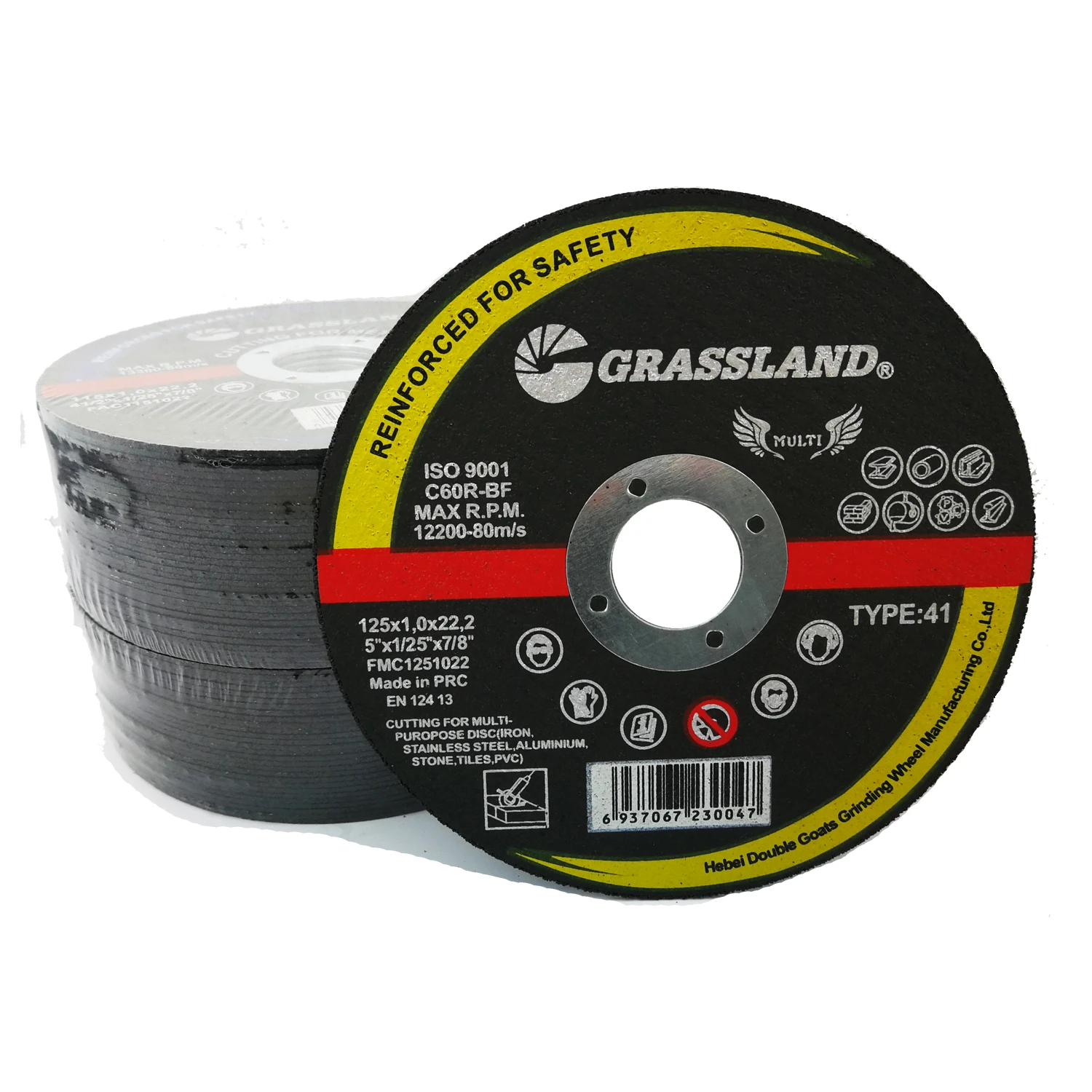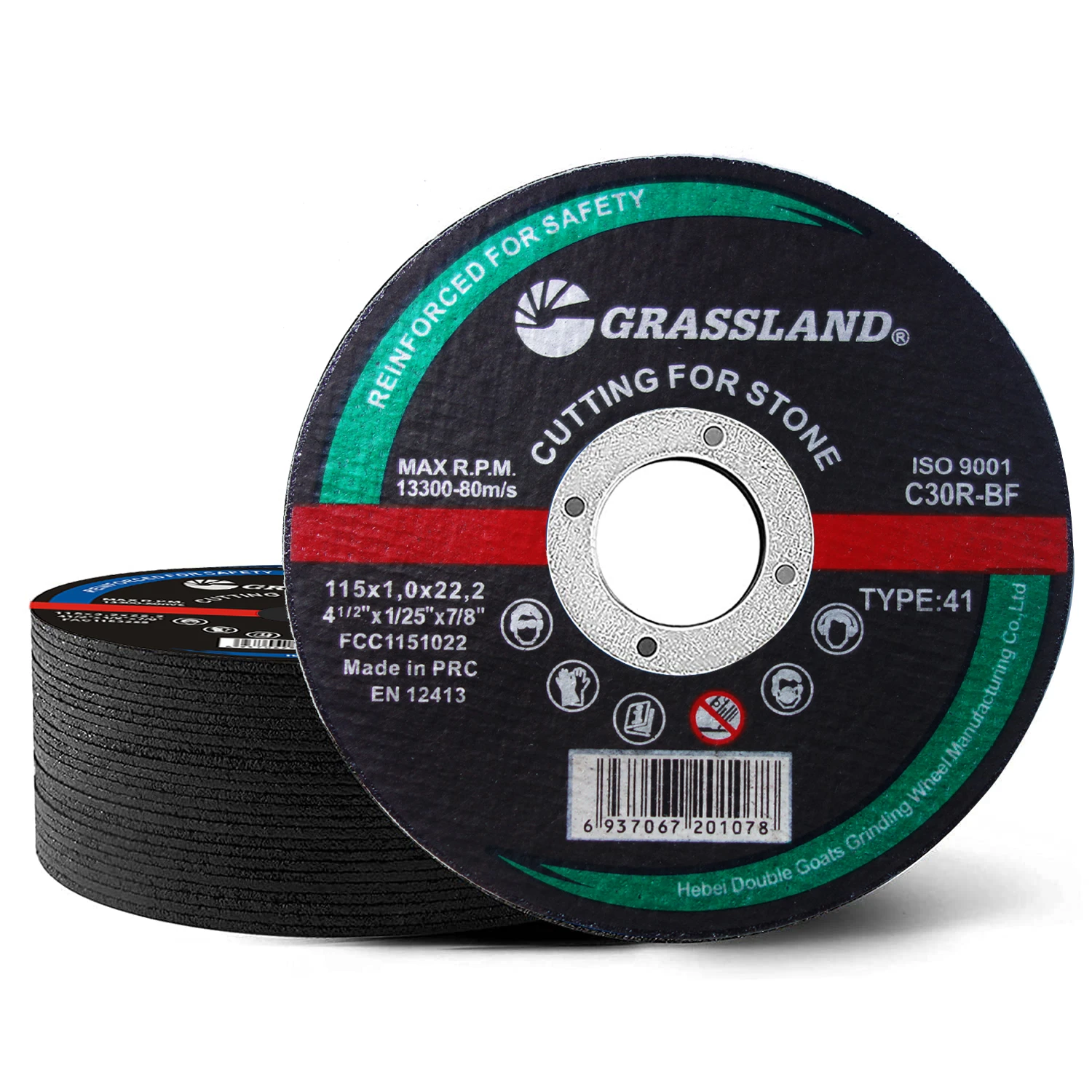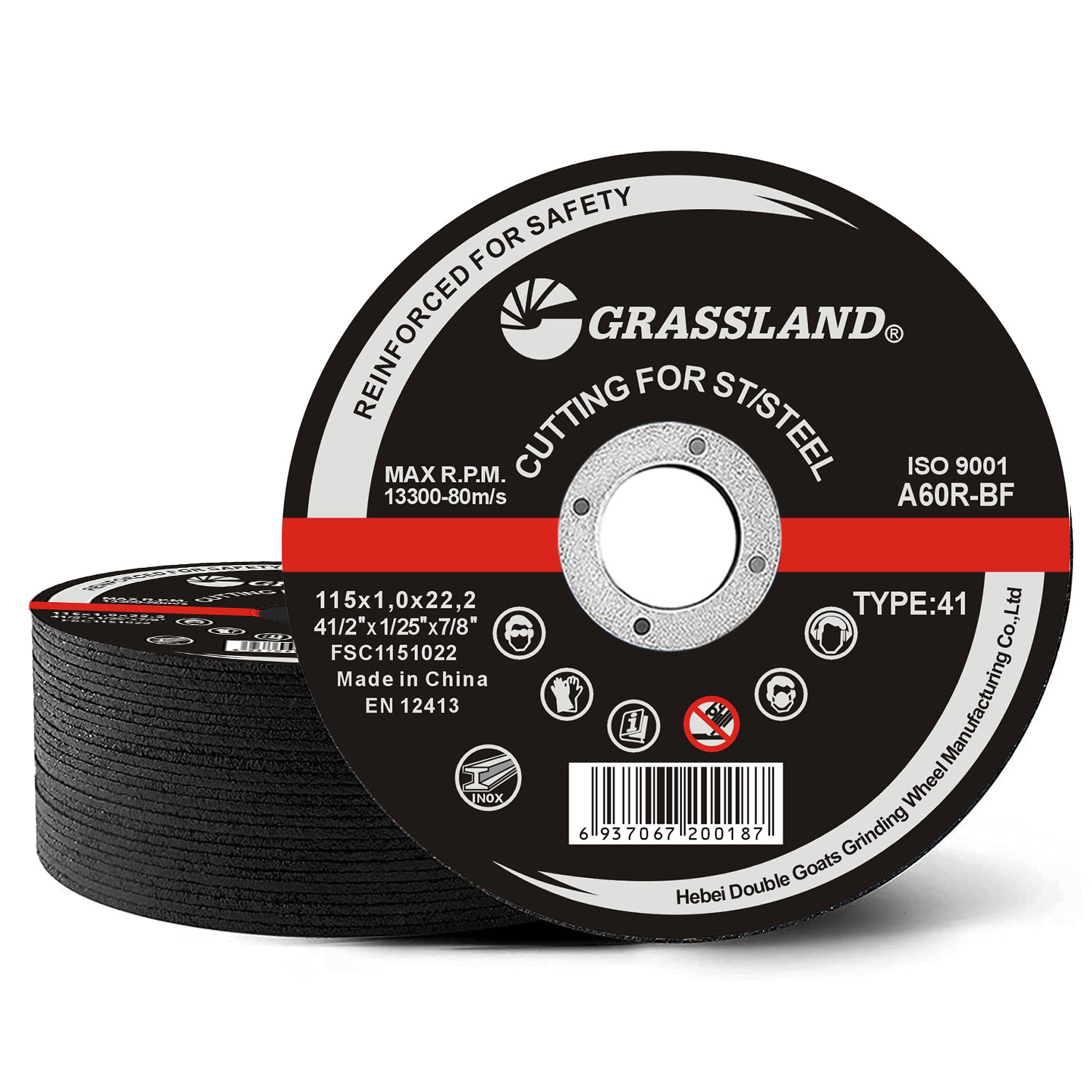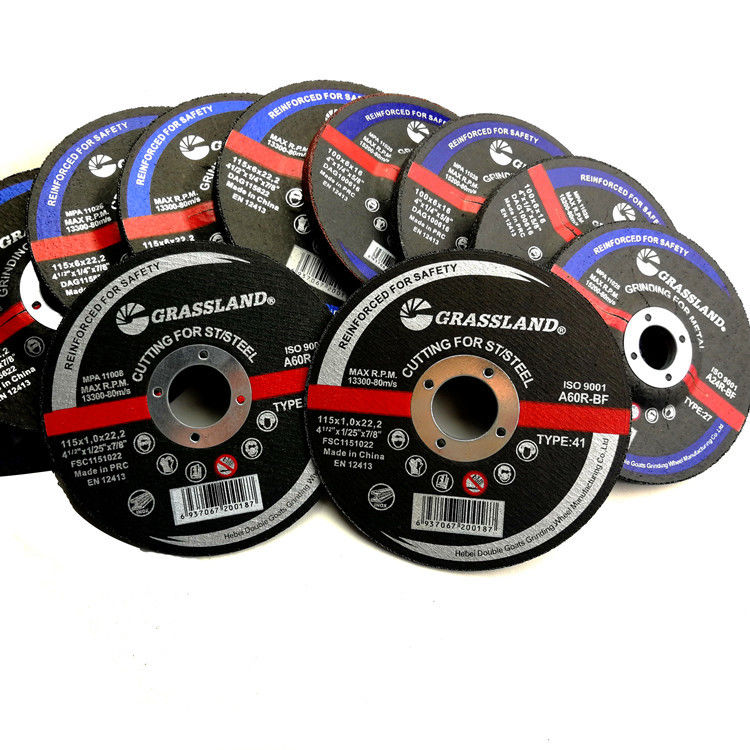
Choosing the Right 115mm Stone Grinding Disc: A Comprehensive Guide
When undertaking cutting, grinding, or polishing projects, selecting the appropriate abrasive tool is crucial for both efficiency and safety. A 115mm stone grinding disc is a versatile option, widely used in metalworking, construction, and DIY applications. This article provides a detailed overview of these discs, covering their types, applications, safety considerations, and how to choose the best disc for your specific needs. Understanding the nuances of stone grinding discs will empower you to achieve professional results with confidence.
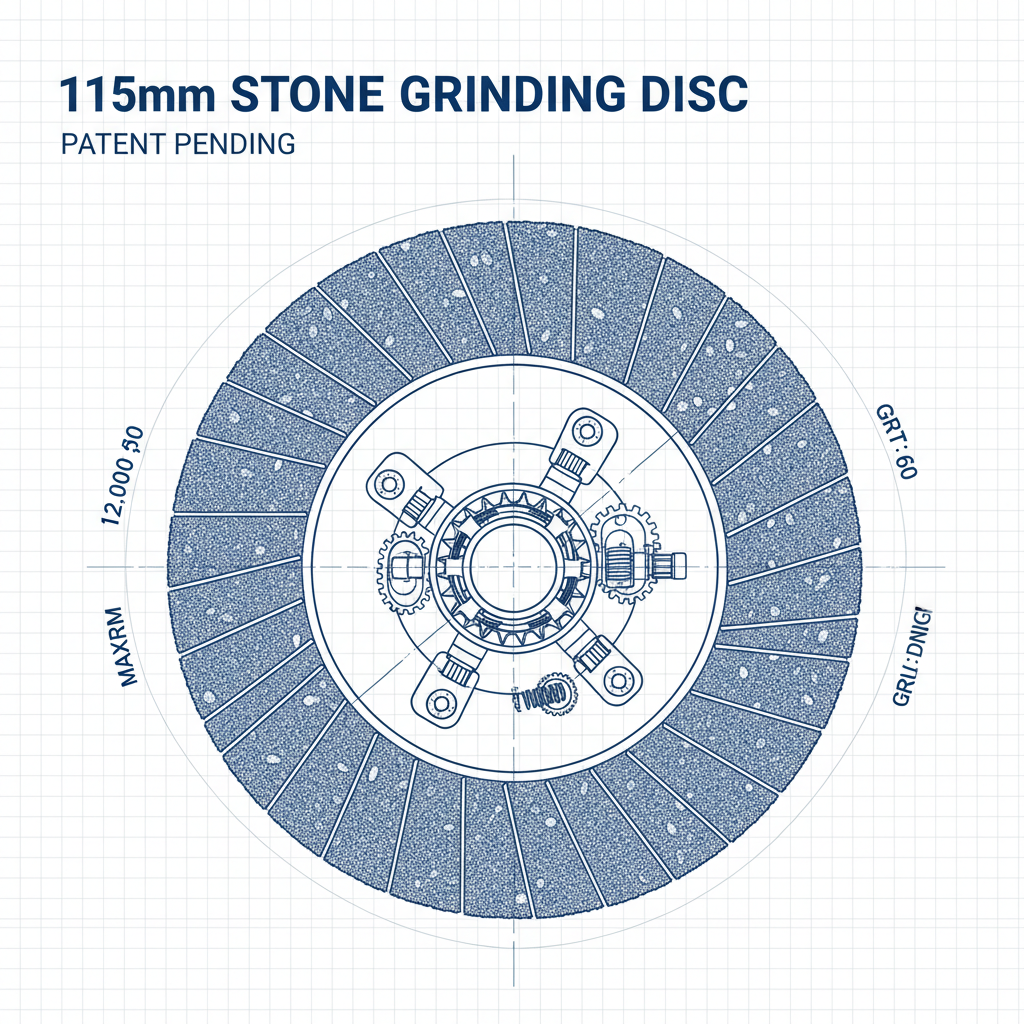
Understanding Different Types of 115mm Stone Grinding Discs
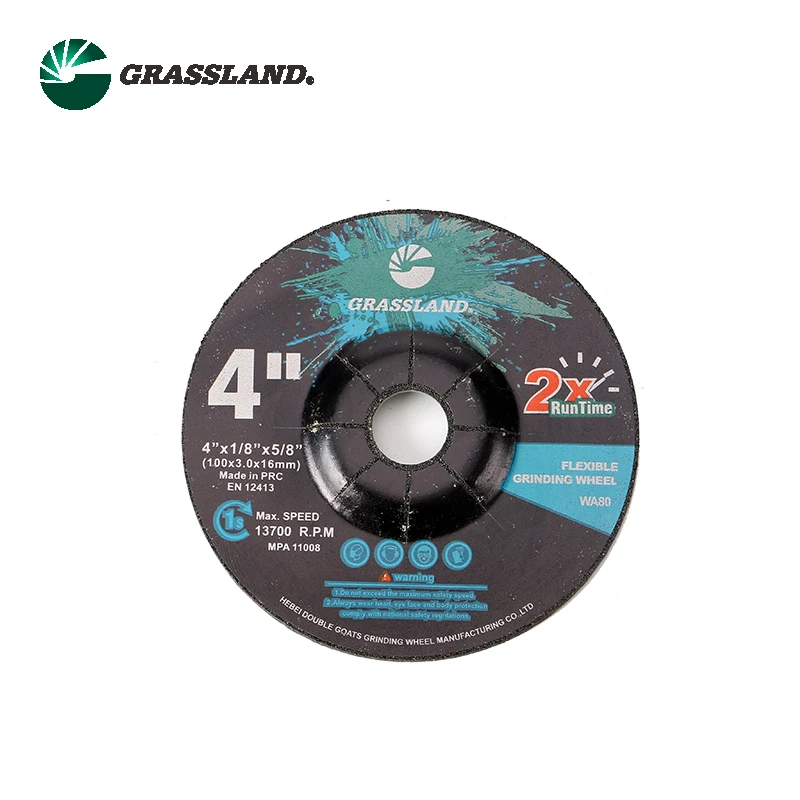
Not all 115mm stone grinding discs are created equal. They are designed with different abrasive materials and bonding agents to suit various applications. Common types include:
- Type 1 (Straight Wheel): Primarily for surface grinding and sharpening.
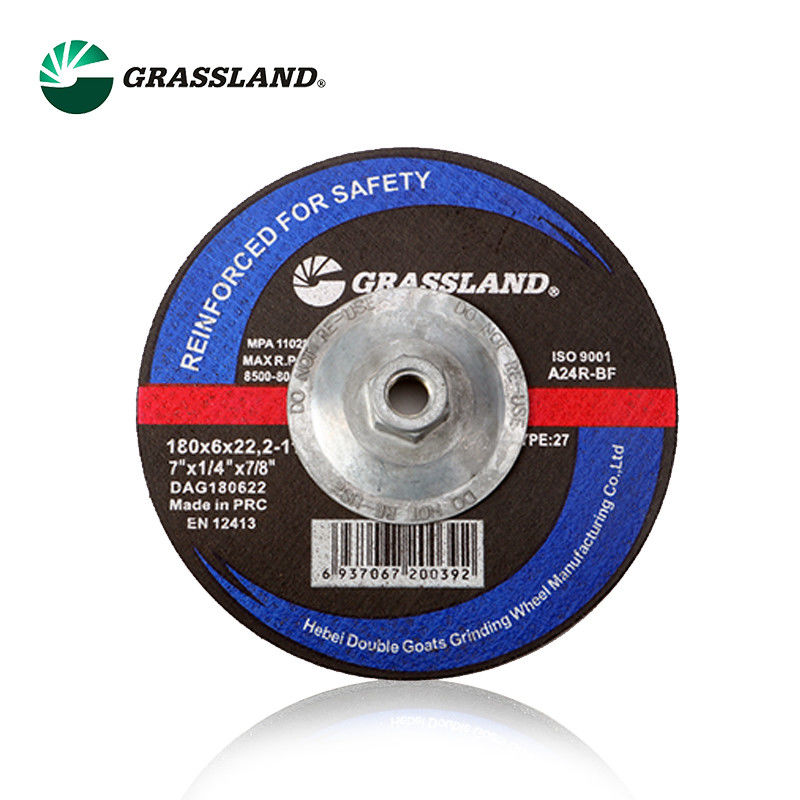
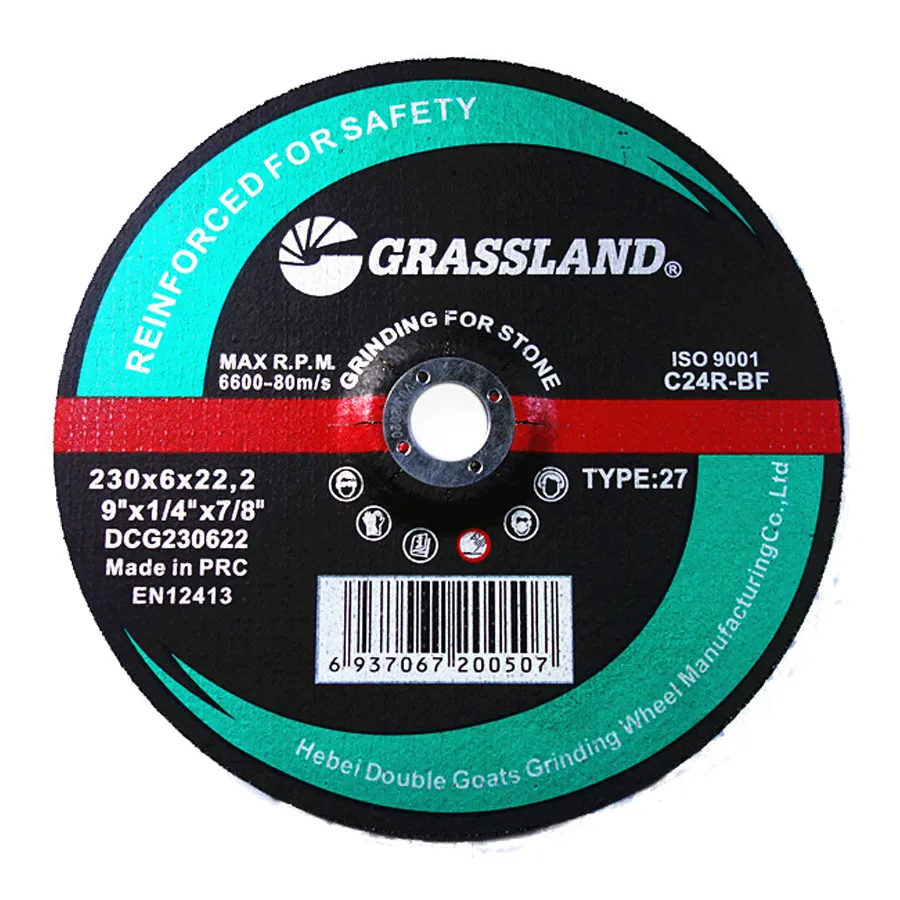
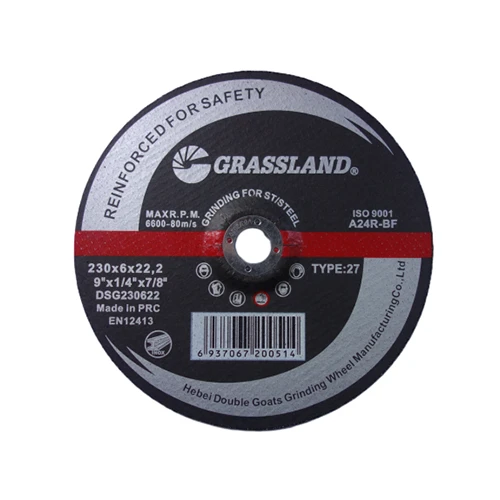
- Type 27 (Depressed Center Wheel): Ideal for heavy-duty grinding, removing weld seams, and rust.
- Type 28 (Extra Thin Cutting Disc): Suited for precise cutting of metal and other materials.
- Diamond Grinding Discs: Used for grinding hard materials like stone, concrete, and ceramics.
Choosing the correct disc type is paramount. Using the wrong disc can lead to inefficient grinding, increased wear, or even safety hazards. For instance, attempting to cut with a grinding wheel is dangerous and ineffective.
Key Takeaway: The choice of grinding disc type is dictated by the material being worked on and the desired outcome (grinding, cutting, or polishing). Always consult the disc manufacturer’s recommendations.
Applications of a 115mm Stone Grinding Disc
A 115mm stone grinding disc is incredibly versatile, lending itself to a wide range of applications. Common uses include:
- Metal Fabrication: Removing weld spatter, smoothing rough edges, and preparing surfaces for painting.
- Construction: Cutting and grinding concrete, brick, and other masonry materials.
- Automotive Repair: Removing rust, grinding down body filler, and shaping metal components.
- DIY Projects: Ideal for home improvement tasks like sharpening tools and restoring metal objects.
However, it’s important to remember that different materials require different disc types. Using a metal grinding disc on concrete, for example, will quickly ruin the disc and potentially create a safety hazard.
Application Considerations:
• Match the disc material to the workpiece material.
• Use the appropriate disc type (grinding, cutting, polishing).
• Always wear appropriate personal protective equipment (PPE).
115mm Stone Grinding Disc Material Comparison
Different abrasive materials offer varying levels of performance and durability. Here's a comparison of some common materials:
Safety Considerations When Using a 115mm Stone Grinding Disc
Safety is paramount when working with power tools. Always adhere to the following guidelines:
- Wear PPE: Including safety glasses, gloves, a dust mask, and hearing protection.
- Inspect Discs: Before each use, check for cracks, chips, or other damage.
- Use the Correct Guard: Ensure the grinder is equipped with a properly installed guard.
- Maintain Proper Speed: Never exceed the maximum RPM rating of the disc.
- Secure the Workpiece: Clamp or vise the workpiece to prevent movement.
A momentary lapse in safety can lead to severe injury. Always prioritize safety over speed and efficiency. You can find additional safety information and high-quality grinding discs at CutoffDiscs.com.
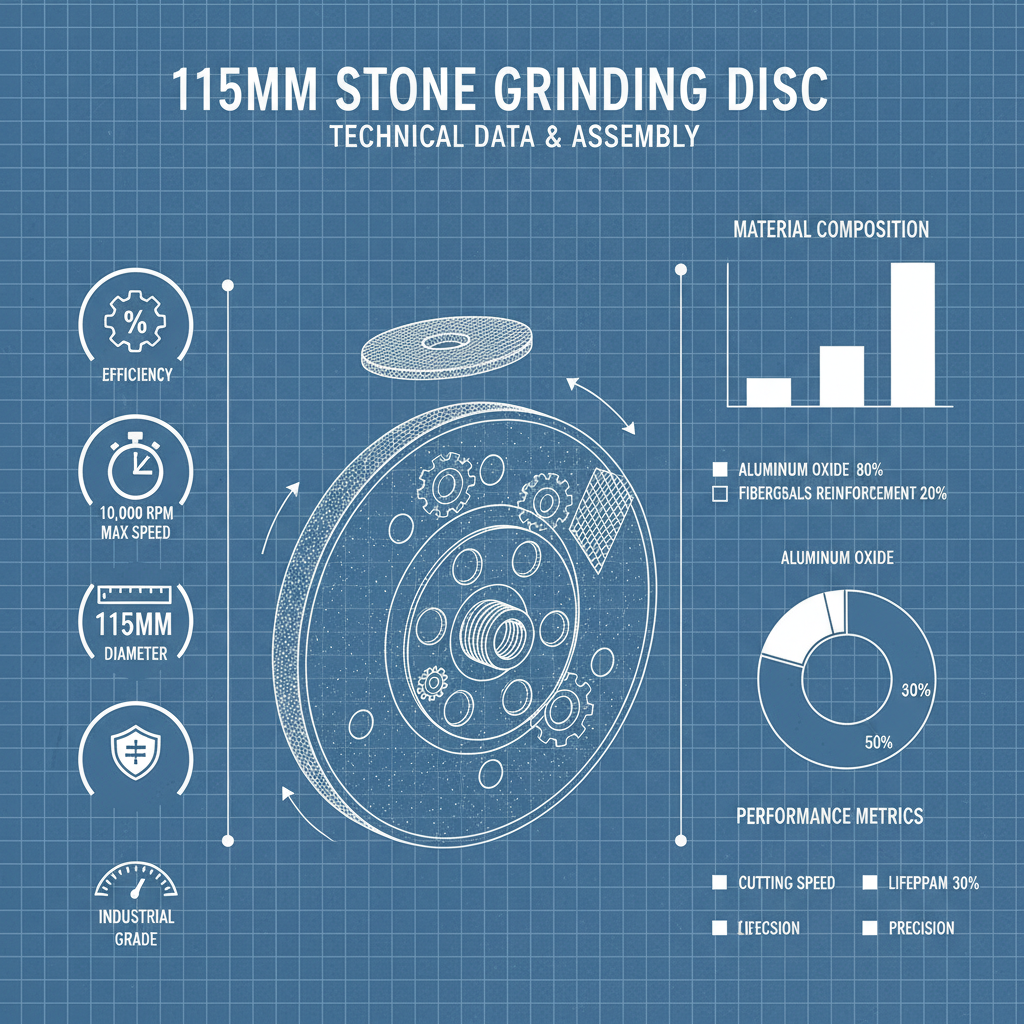
Choosing the Right 115mm Stone Grinding Disc for Your Project
Selecting the perfect disc requires careful consideration of the project at hand. Ask yourself these questions:
- What material am I working with?
- What type of operation am I performing (grinding, cutting, polishing)?
- What is the required level of aggressiveness and finish?
By answering these questions and referencing the information provided in this guide, you can confidently choose a 115mm stone grinding disc that delivers optimal performance and ensures your safety.
Conclusion: Empowering Your Projects with the Right Disc
Selecting the right 115mm stone grinding disc is essential for achieving professional results and ensuring workplace safety. By understanding the different types, materials, and safety considerations outlined in this guide, you can make informed decisions and maximize your project’s success.
Frequently Asked Questions (FAQs)
What is the maximum RPM I should use with a 115mm stone grinding disc?
The maximum RPM is clearly marked on the grinding disc itself. It's crucial to never exceed this limit, as doing so can cause the disc to shatter, resulting in serious injury. The grinder's speed setting must be compatible with the disc’s RPM rating. Always check both the disc and the grinder specifications before use. Using a disc exceeding the grinder’s RPM capacity is as dangerous as using a disc at too low an RPM.
How often should I replace a 115mm stone grinding disc?
The lifespan of a grinding disc depends on usage and the material being ground. Regularly inspect the disc for signs of wear, such as cracks, chips, or excessive thinning. Even if no visible damage is apparent, replace the disc if it becomes excessively worn or if its performance diminishes significantly. It’s better to err on the side of caution and replace a disc that's nearing its end of life rather than risk a failure during operation.
Can I use a grinding disc for cutting?
No, absolutely not. Grinding discs and cutting discs are designed for different purposes and have different structures. Using a grinding disc for cutting is extremely dangerous and can lead to the disc shattering, causing severe injury. Cutting discs are much thinner and designed to slice through material, while grinding discs are thicker and designed to remove material through abrasion. Always use the correct disc for the intended application.
What is the best way to store my 115mm stone grinding discs?
Store your grinding discs in a dry, cool place, away from direct sunlight and moisture. Ideally, store them in their original packaging to protect them from damage. Avoid dropping or impacting the discs, as this can create micro-fractures that weaken their structure. Proper storage will extend the lifespan of your discs and ensure they remain safe to use.
Post time:Feb - 11 - 2026