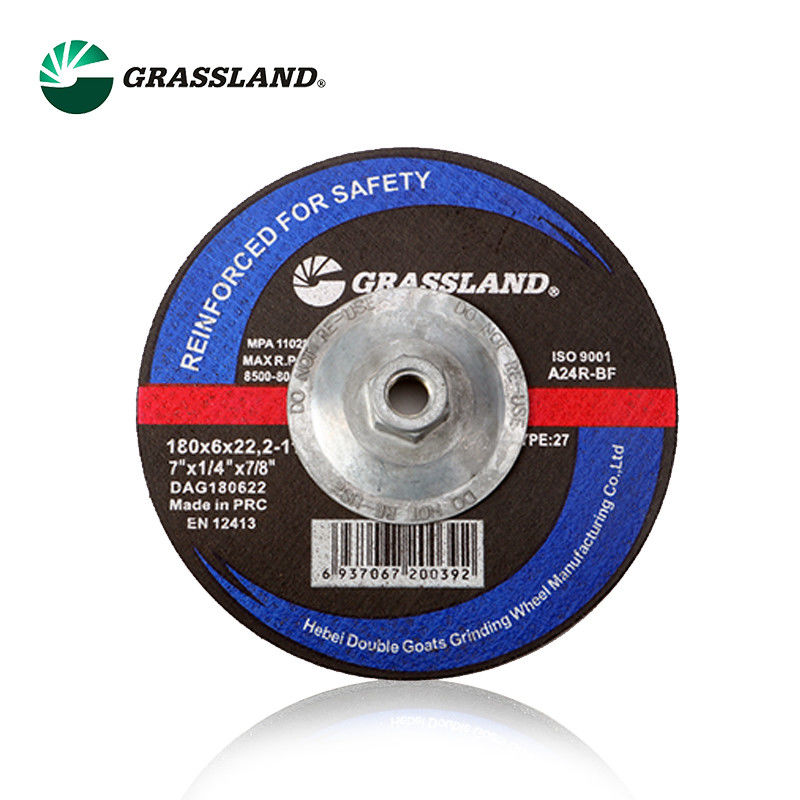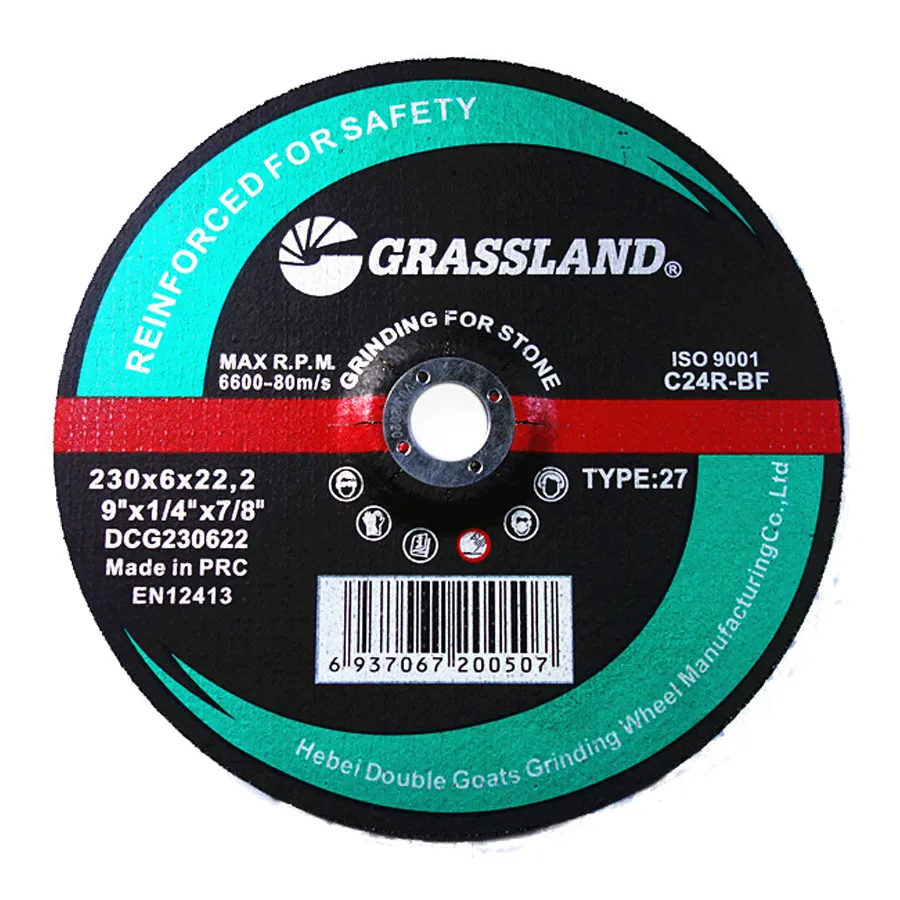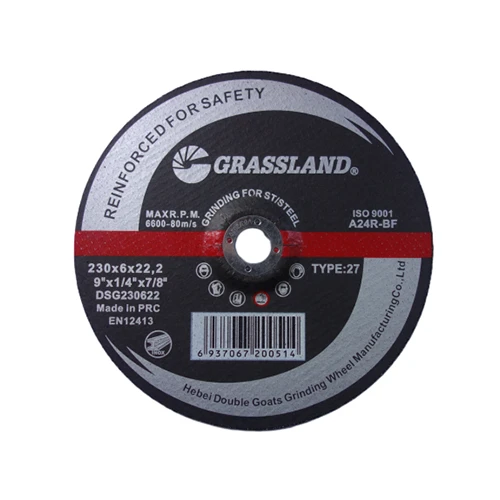
Why Choose a 9-Inch Metal Cutting Disc?
Having spent a good chunk of my career around grinding wheels, cut-off machines, and the occasional sparks flying wildly in workshops, disco de corte metal 9 pulgadas always stood out as a reliable workhorse in metal fabrication. There’s something about the balance it strikes — large enough to tackle thick metal, yet manageable enough for precision work. Plus, the availability of quality discs in the 9-inch size has made them a staple on many industrial floors.
In real terms, these discs need to hold up to a variety of metals — from stainless steel to cast iron — and resist rapid wear. Many engineers I've worked with swear by certain brands because of the optimized abrasive grains and resin bonds they use. Oddly enough, the feel underfoot — or well, under tool — really makes a difference in workflow. Some discs dull too quickly, others bite too aggressively, and then the sweet spot discs keep cutting smoothly without bogging down the operator.
Key Product Specifications of a Typical 9-Inch Metal Cutting Disc
| Specification | Details |
|---|---|
| Disc Diameter | 9 inches (230 mm) |
| Thickness | 2.5 to 3.0 mm (varies by model) |
| Max RPM | 6,600 RPM (typical) |
| Material | Aluminum oxide or zirconia alumina |
| Bond Type | Resin bond for durability and flexibility |
| Cutting Application | Metal, stainless steel, pipes, rebar |
Comparing Vendors: Which 9-Inch Disc Fits Your Project?
| Brand | Material Type | RPM Limit | Price Range | Durability |
|---|---|---|---|---|
| CutPro Ultra | Zirconia alumina | 6,600 RPM | $$$ | High |
| SteelEdge Max | Aluminum oxide | 6,200 RPM | $$ | Medium |
| ToughCut Pro | Hybrid ceramic | 6,800 RPM | $$$ | High |
Using 9-Inch Discs in the Field: A Quick Story
I once visited a small metal fabrication shop in the Midwest, where they were wrestling with some oddly shaped stainless steel parts. They had tried different cutting solutions, but it was a particular brand of 9-inch disc that finally made their cutoff saw sing. What struck me was their appreciation for the disc’s consistent performance even after hours of continuous use. No popping, no cracking — which, frankly, some cheaper discs suffer badly from.
Custom jobs like those demand toughness and precision, and it reminded me how important it is to not just select a disc because it’s “popular” or “cheap,” but based on real rough-and-tumble testing. Engineers I know often run side-by-side trials before committing to bulk purchases. It saves headaches, and well, money.
So, if you’re shopping around for a disco de corte metal 9 pulgadas, consider what your actual cutting needs are — speed, material type, and endurance. There’s room in this market for many choices but also potential pitfalls if you go with the wrong one.
In the end, the “right” disc can make your day run smoother, cuts faster, and oddly enough, even feels just right in your hand. And isn’t that what we all want after a long shift?
Final Thoughts
Choosing the right 9-inch metal cutting disc comes down to balancing performance, durability, and cost-effectiveness. It’s not just a tool; it’s a part of your workflow, sometimes unsung, but absolutely critical. Keep an eye on the disc’s composition and bonding technology, and whenever possible, test it out first. Better discs mean less downtime — and that’s... well, worth everything.
References and musings:
- Feedback from fabricators using various abrasive discs in field conditions
- Material science notes on aluminum oxide vs. zirconia alumina abrasives
- Vendor spec sheets and user reviews from industrial tool suppliers
Post time:Dec - 13 - 2025