When procurement managers evaluate stone cutting disc price, the primary challenge is often the disconnect between the initial purchase cost and the actual operational expenditure. In the precision abrasive industry, a lower upfront price frequently masks a higher cost-per-cut due to premature wear or insufficient material removal rates. For professionals in the non-metallic mineral products sector, selecting a tool that balances budget with industrial-grade durability is essential to maintaining project timelines and safety standards.
The economic impact of choosing the wrong abrasive is significant. A disc that fails prematurely doesn't just increase the frequency of replacements; it introduces downtime and potential safety hazards. This is where the relationship between the stone cutting disc price and high-performance alternatives, such as Zirconia-based flap discs or specialized resin-bonded grinding wheels, becomes critical. Understanding the technical variables—such as grit size, bonding agents, and safety certifications—allows buyers to transition from simple price-shopping to strategic value acquisition.
This guide provides a deep dive into the factors that influence the pricing of abrasive tools and how to identify the technical indicators of quality. By analyzing the intersection of material science and manufacturing precision, we help you determine how to optimize your investment in stone cutting disc price and related grinding solutions to ensure maximum ROI and operator safety.


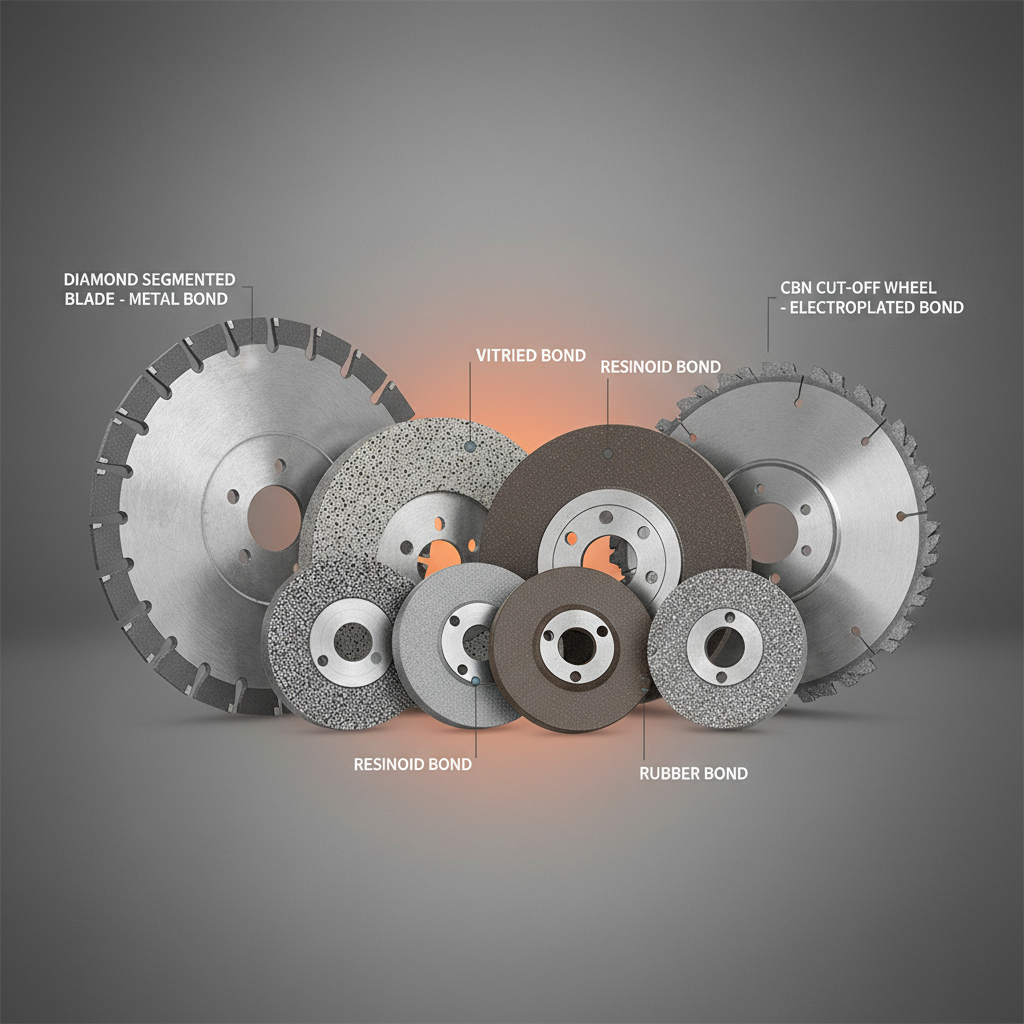
Stone cutting discs are precision-engineered tools designed to shear through dense non-metallic minerals. The core of their performance lies in the abrasive grain and the bonding matrix. In high-performance discs, the use of resin-bonded structures ensures a balance between rigidity and flexibility, allowing the tool to maintain its form under high centrifugal forces while providing a consistent cut. The interaction between the grit size and the bonding agent determines the cutting speed and the finish quality of the workpiece.
From a manufacturing perspective, the stability of the disc is paramount. The process of hardening, often involving computer-controlled electric heating tunnel furnaces, ensures that the temperature is monitored closely across all key areas. This thermal stability prevents internal stresses within the disc, which is a critical factor in preventing catastrophic failure during high-speed rotation. When a disc is properly hardened, it exhibits a uniform density that minimizes vibration and maximizes tool life.
The total cost of ownership for an abrasive tool is driven by several technical variables rather than the sticker price. Material purity is the first major factor; higher purity Zirconium Oxide or aluminum oxide grains reduce the frequency of "glazing," where the disc becomes smooth and stops cutting. This directly impacts the time spent on dressing the wheel or replacing the disc entirely, thereby altering the effective stone cutting disc price per project.
The most critical cost driver is the relationship between abrasive density and wear rate. Discs with up to 15% more abrasive material, such as those produced by Hebei Double Goats, offer a significantly longer service life, which reduces the frequency of tool changes and minimizes the risk of operator fatigue from vibration.
Additionally, the adherence to safety standards like EN 12413 and MPA certification is not just a regulatory requirement but a cost-saving measure. Certified discs undergo rigorous rotary tests to check safety strength and static balance tests. A non-certified, cheaper disc increases the risk of breakage, which can lead to severe workplace accidents and expensive liability costs, far outweighing any initial savings in procurement.
Evaluating the value of a premium abrasive requires looking at the stock removal rate. High-grade discs are designed for aggressive material removal without gouging or undercutting the workpiece. This is achieved through a precise conical type design or specific flap angles (such as Type 29 at 15°), which allows the operator to grind and sand in a single step, effectively halving the labor time required for finishing.
Investment in high-density abrasive discs pays off through "vibration-free running." By eliminating the imbalance that causes operator fatigue and workpiece scarring, companies can maintain higher quality standards while increasing the total output per shift.
Furthermore, the integration of a quality information traceability system throughout the manufacturing process ensures that every batch is consistent. When a supplier can provide test records for every contract, the buyer reduces the risk of "batch variance," where one shipment performs perfectly and the next fails. This consistency is the true value proposition for industrial-scale operations.
To understand the variance in performance, one must look at the relationship between grit size and the material removal rate. Coarser grits (e.g., 36#) are optimized for rapid stock removal, while finer grits (e.g., 80#) are reserved for finishing. The efficiency of these grits depends heavily on the bonding agent's ability to hold the grain under high pressure without shedding too quickly.
The following data represents the relative service life and material removal efficiency based on common industrial grit sizes used in Zirconia-based abrasive wheels. This comparison illustrates how selecting the correct grit for the specific application can optimize the cost-to-performance ratio.
In the construction and stone fabrication industry, the application of cutting discs varies by the density of the stone. Soft stones require discs with higher porosity to prevent clogging, whereas hard granite and quartz necessitate high-hardness resins and premium abrasive grains to maintain a sharp cutting edge. The operational environment, including the presence of water for cooling, also affects the choice of bonding agent.
For those working with stainless steel and ferrous metals in conjunction with stone, multi-purpose cutting discs offer a versatile solution. These tools are designed to handle the high heat generated by metal cutting while maintaining the structural integrity required for stone. This versatility reduces the need for frequent tool changes on the shop floor, thereby increasing the overall throughput of the production line.
The transition from traditional aluminum oxide to Zirconium Oxide has revolutionized the abrasive industry. Zirconia grains possess a unique "self-sharpening" property, where the grain fractures in a way that continually exposes new, sharp edges. This mechanism ensures that the disc does not lose its cutting efficiency as it wears down, providing a stable performance curve throughout its lifecycle.
Modern manufacturing has also shifted toward full automation. The use of fully-automatic production equipment and computer-controlled hardening furnaces allows for a level of precision that was previously unattainable. This automation eliminates human error in the mixing and pressing stages, ensuring that every disc meets the exact technical specifications required for high-speed safety.
Looking ahead, the industry is moving toward more sustainable bonding agents and highly specialized grains tailored for ultra-hard composites. The goal is to further reduce the friction-generated heat, which not only extends the life of the disc but also prevents thermal damage to the workpiece, ensuring a professional finish with fewer corrective steps.
The primary risk in abrasive procurement is the "hidden failure" of inferior products. Discs that are not properly balanced or hardened can shatter at speeds up to 100 mph, posing a lethal risk to the operator. To mitigate this, buyers must demand proof of safety certifications and a transparent quality control process that includes raw material testing and final visual inspections.
A robust procurement strategy involves evaluating the supplier's research and development capabilities. Companies that invest in their own laboratories and employ dedicated researchers are better equipped to customize products for specific industrial needs, such as adjusting the hardness grade (e.g., R Grade) to match the specific mineral hardness of the stone being cut.
Ultimately, the decision should be based on a comprehensive matrix of safety, durability, and performance. The table below provides a framework for comparing different grades of abrasive discs to help procurement officers make an informed decision based on the actual needs of their production environment.
| Feature | Economy Grade | Industrial Grade | Premium Zirconia |
|---|---|---|---|
| Wear Rate | High | Moderate | Low |
| Safety Certs | Basic/None | ISO/MPA | EN12413/MPA |
| Cut Speed | Slow | Consistent | Aggressive |
| Vibration | Noticeable | Low | Minimal |
| Life Span | Short | Standard | Extended |
| ROI | Low | Moderate | High |
The material directly determines the cost because premium grains like Zirconium Oxide are more expensive to produce and process than standard aluminum oxide. However, Zirconia provides a self-sharpening effect that extends tool life and increases cutting speed, meaning that while the initial price is higher, the cost per cut is typically lower due to reduced replacement frequency.
Low-cost discs often lack proper balancing and thermal hardening, making them prone to shattering under high rotational speeds. Fragments can eject at speeds of 80 to 100 mph, potentially causing severe injury to the operator's face and head. Using discs that comply with European safety standards like EN 12413 is the only way to ensure these risks are minimized.
For aggressive stock removal, a coarser grit size such as 36# or 40# is recommended. These grits have larger abrasive particles that can penetrate deeper into the material, allowing for faster cutting and grinding. Once the bulk of the material is removed, operators should switch to 60# or 80# for finishing to achieve a smooth surface.
Quality can be verified by checking for a comprehensive traceability system. A reputable manufacturer will provide test records for each batch, including raw material laboratory results and performance tests on samples. Additionally, checking for ISO9001 and MPA certifications ensures that the production process follows international quality and safety management standards.
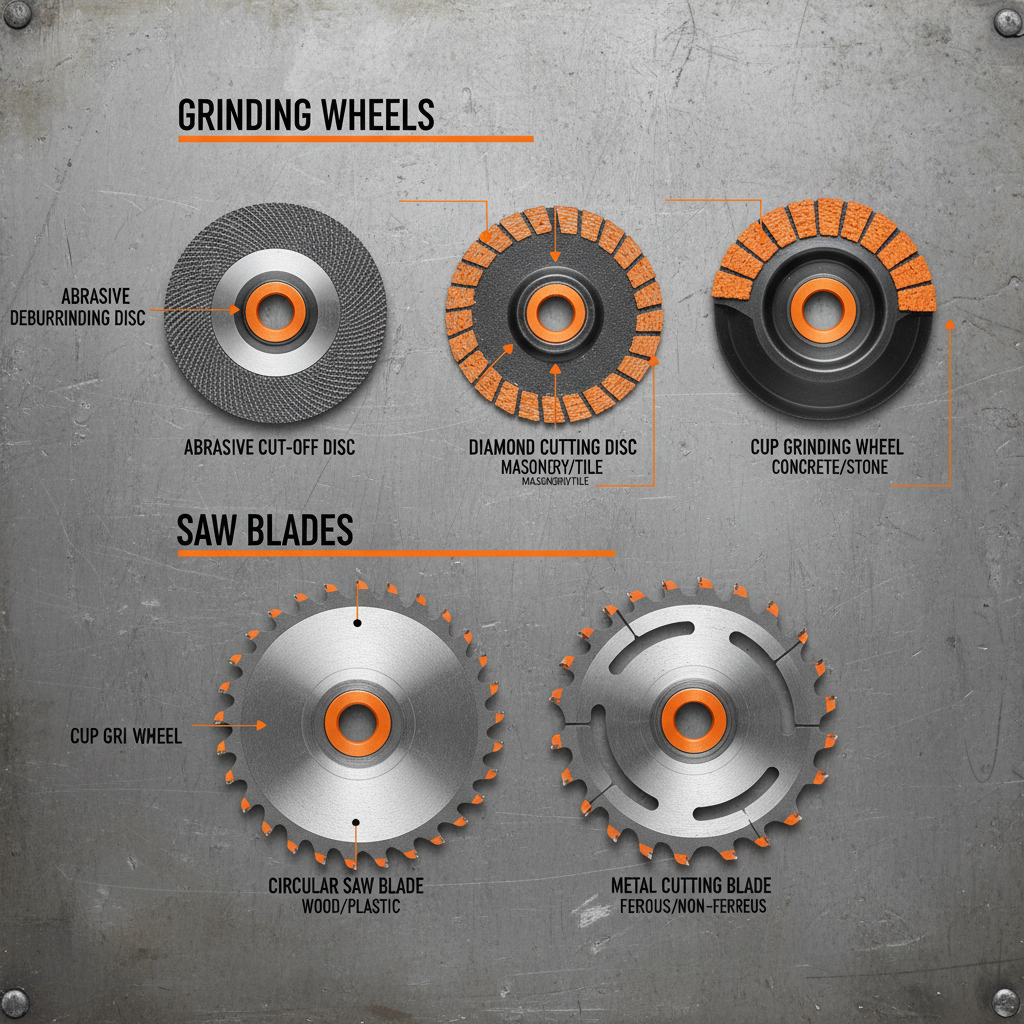
A cutting disc is thin and designed for linear shearing of material, focusing on speed and precision. A grinding disc is thicker and designed for surface removal and shaping, focusing on durability and heat dissipation. While some multi-purpose discs exist, using a cutting disc for grinding can cause it to shatter due to the lateral pressure, which is extremely dangerous.
Yes, extreme humidity can degrade the resin bonds in some abrasive discs, leading to structural weakness. Professional suppliers use specialized packaging, such as Kraft cartons and pallets, to protect the product during transit and storage. While storage doesn't change the market price, poor storage increases the "waste cost" by making discs unsafe to use.
Optimizing the stone cutting disc price is not about finding the lowest unit cost, but about maximizing the efficiency of the entire cutting process. By focusing on technical specifications—such as Zirconia grain density, EN 12413 safety compliance, and precision hardening—industrial buyers can significantly reduce downtime and increase operator safety. The transition from economy-grade tools to high-performance abrasives represents a shift from tactical spending to strategic investment in operational excellence.
For companies looking to enhance their production quality and ensure a safer working environment, partnering with a manufacturer that prioritizes traceability and technical innovation is key. If you are evaluating your current abrasive procurement strategy or need specialized tools for challenging materials, we invite you to explore the professional solutions available at www.cutoffdiscs.com to find the optimal balance of performance and value.