Understanding the Versatility of the 4 1 2 Stone Cutting Disc
The 4 1 2 stone cutting disc is a fundamental tool in the construction, landscaping, and masonry industries. Its ability to efficiently and precisely cut through various stone materials makes it indispensable for a wide range of applications. This article delves into the features, applications, safety considerations, and choosing the right disc for your needs. We'll explore why selecting a high-quality stone cutting disc from a reputable supplier like CutoffDiscs.com is essential for optimal performance and safety.
Key Features of a 4 1 2 Stone Cutting Disc
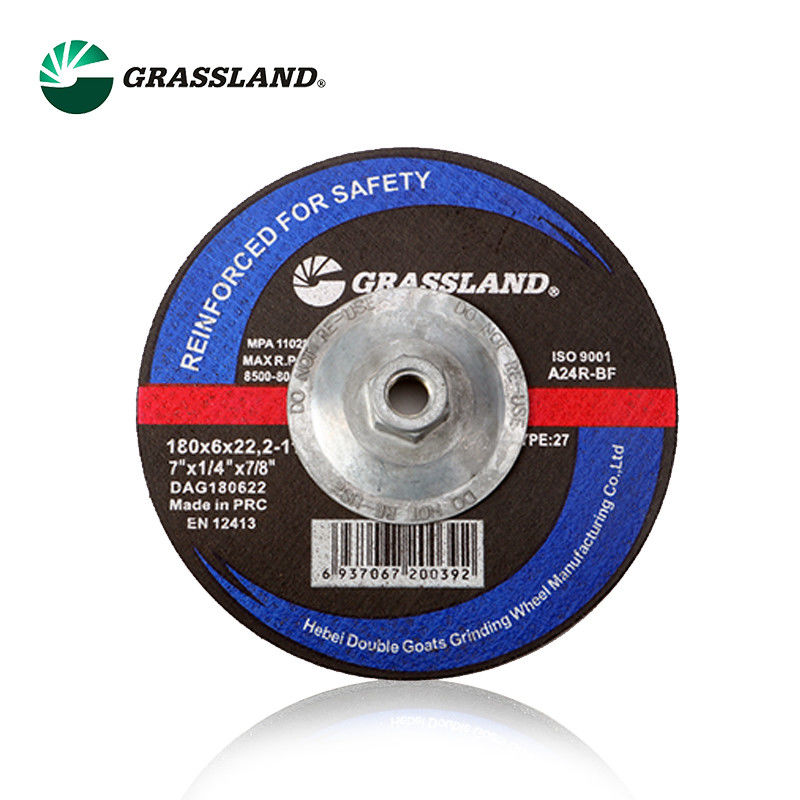
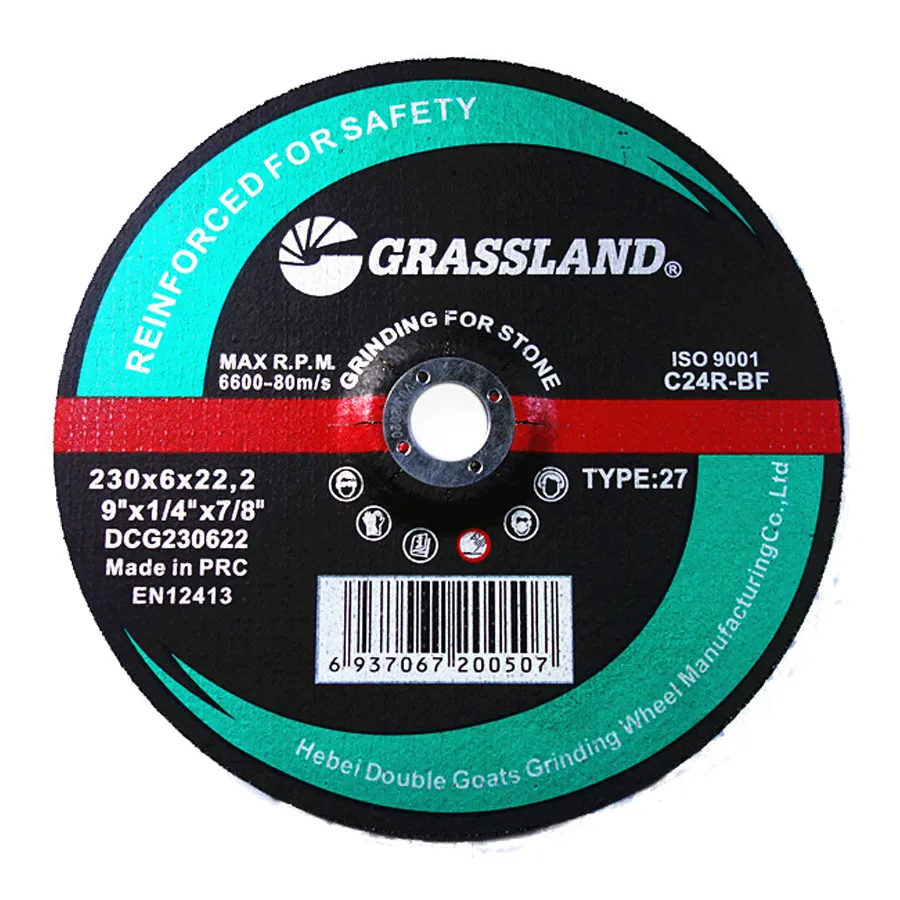
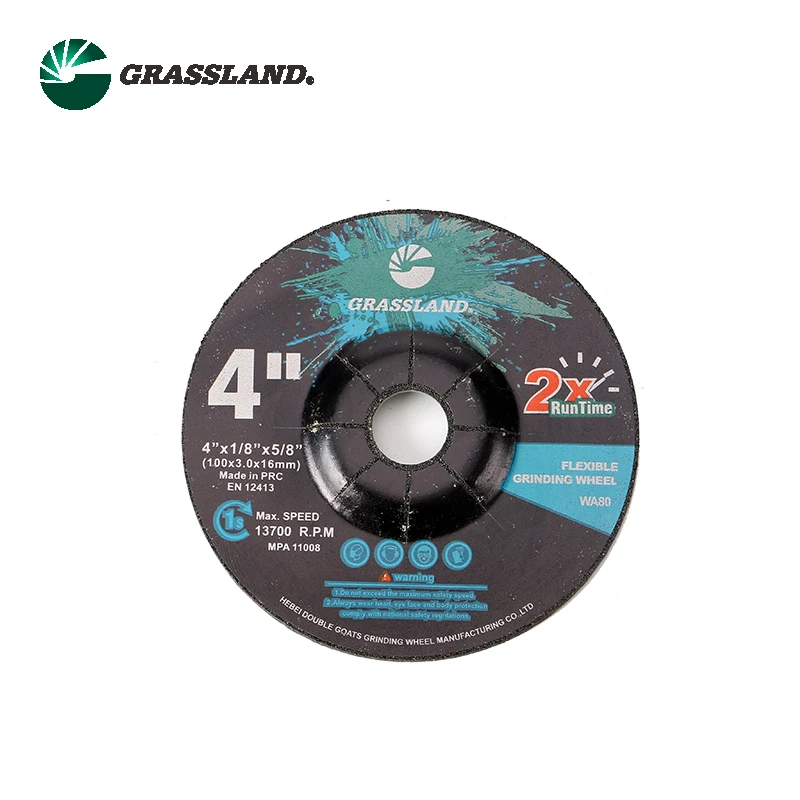
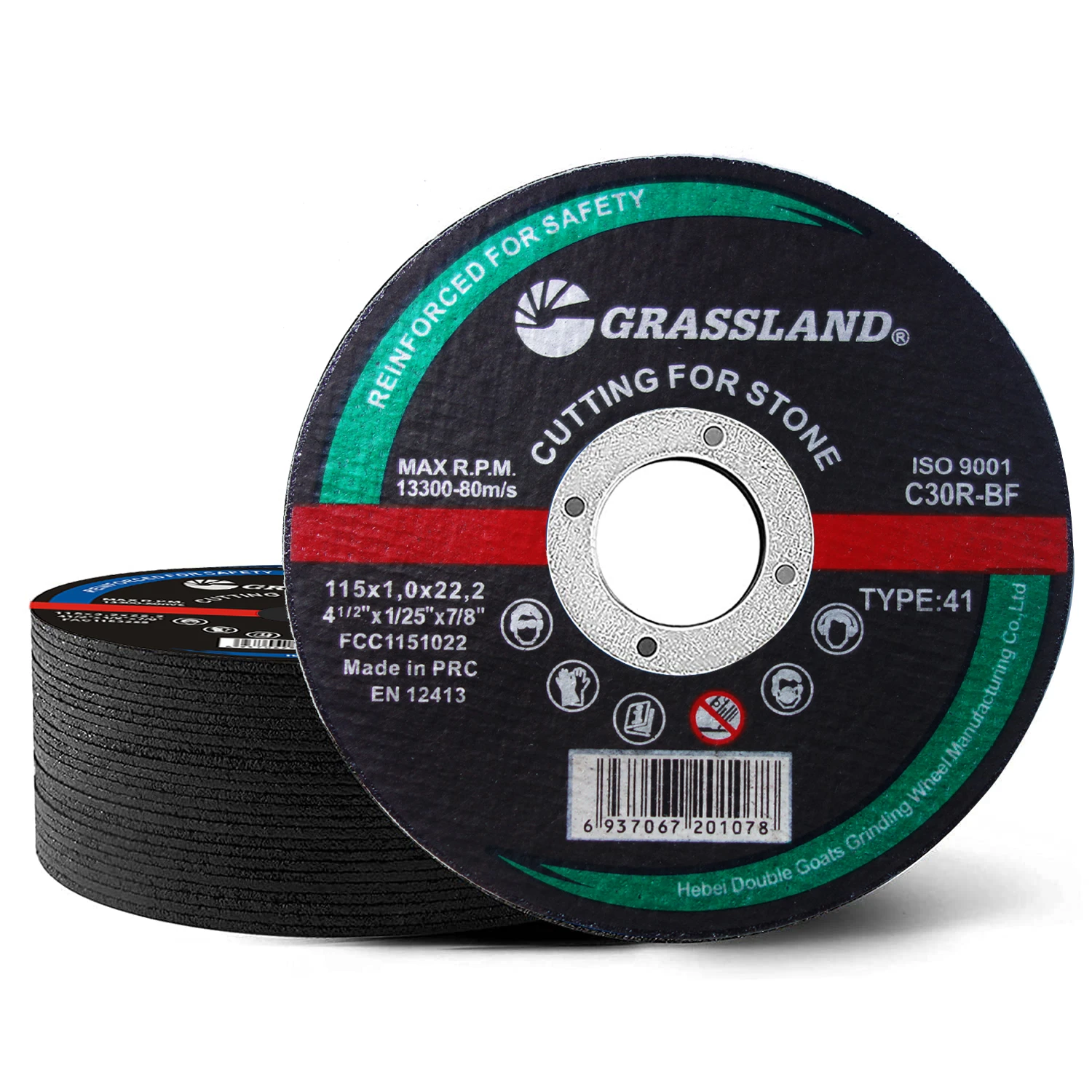
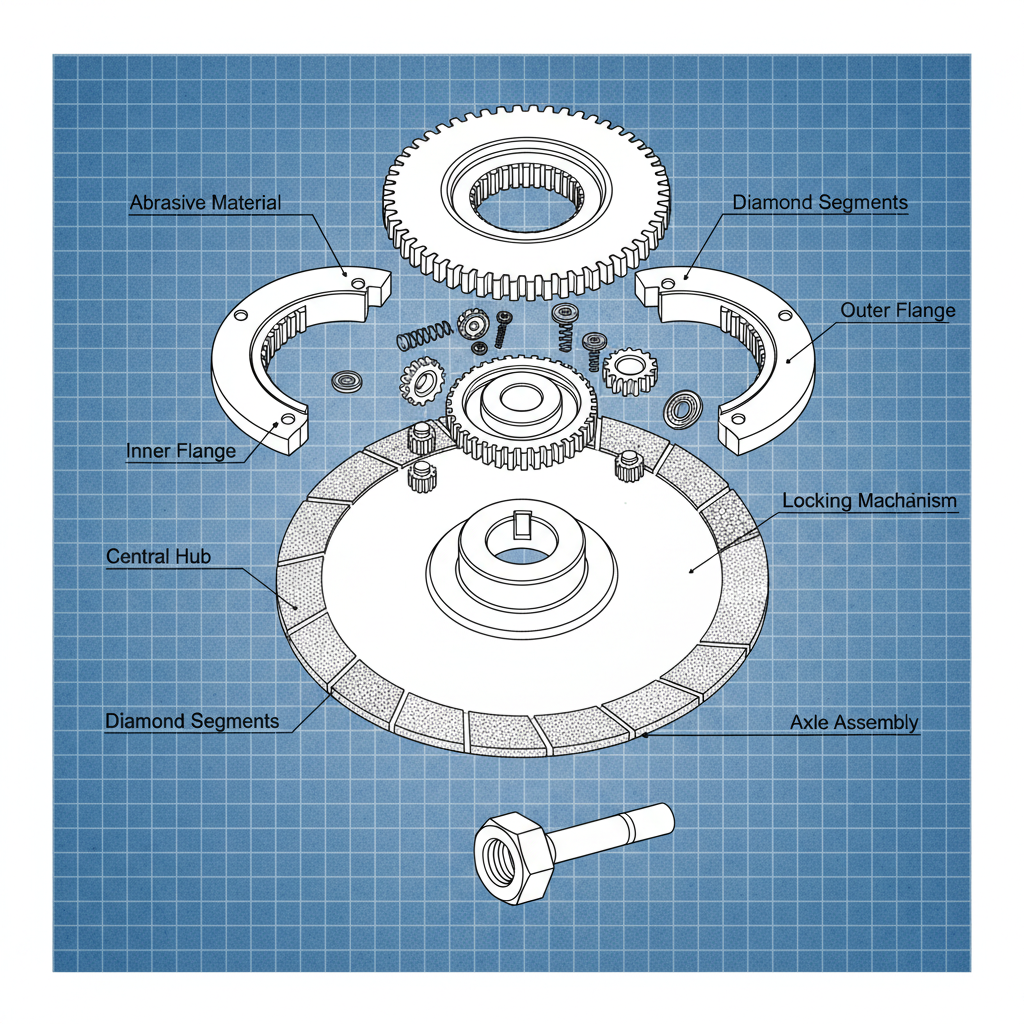
A 4 1 2 stone cutting disc, referring to its diameter in inches, is designed for use with angle grinders and circular saws. These discs typically consist of abrasive grains (such as aluminum oxide or silicon carbide) bonded with a resinous material. Key features include the disc's thickness, the type of abrasive grain used, and the reinforcement mesh within the disc's structure. The thickness determines the cutting speed and material compatibility; thinner discs are generally for faster cuts in softer materials, while thicker discs are better suited for harder stones. Reinforcement meshes provide added safety and prevent shattering during operation. Choosing the right disc depends on the specific stone type being cut and the power of the tool used.
Key Highlights: Precision cutting through a variety of stone materials, robust construction for durability, compatibility with standard angle grinders and circular saws.
Applications of the 4 1 2 Stone Cutting Disc
The versatility of the 4 1 2 stone cutting disc allows for a broad range of applications. Common uses include cutting paving stones, tiles, bricks, concrete blocks, and natural stones like granite and marble. Landscapers use them for creating pathways and patios, while construction workers employ them for cutting building materials. Masonry professionals rely on these discs for precise cuts in stone veneers and other decorative elements. Proper disc selection based on the stone's hardness is crucial for achieving clean cuts and maximizing disc lifespan.
Application Areas:
• Landscaping: Cutting paving stones and creating pathways
• Construction: Cutting bricks, concrete blocks, and stone veneers
• Masonry: Precise cutting for decorative stone elements
• Home Improvement: Tile and stone cutting for DIY projects
Choosing the Right 4 1 2 Stone Cutting Disc for Your Project
Selecting the appropriate 4 1 2 stone cutting disc is paramount for achieving optimal results and ensuring safety. Factors to consider include the type of stone being cut, the speed of cutting desired, and the power of the angle grinder or circular saw. Discs are available in different abrasive grain types; aluminum oxide is suitable for general-purpose cutting, while silicon carbide is ideal for harder stones like granite and porcelain. Consider discs specifically designed for wet or dry cutting, depending on your application. Always check the disc's maximum RPM rating to ensure it's compatible with your tool.
Safety Considerations When Using a 4 1 2 Stone Cutting Disc
Safety is paramount when operating a 4 1 2 stone cutting disc. Always wear appropriate personal protective equipment (PPE), including safety glasses, a dust mask, hearing protection, and gloves. Ensure the workpiece is securely clamped to prevent movement during cutting. Never exceed the disc's maximum RPM rating. Use the correct type of disc for the material being cut. Inspect the disc for cracks or damage before each use. When using a wet cutting disc, ensure a consistent water supply. CutoffDiscs.com provides resources on safe operating procedures and disc selection.
Maintaining and Storing Your Stone Cutting Disc
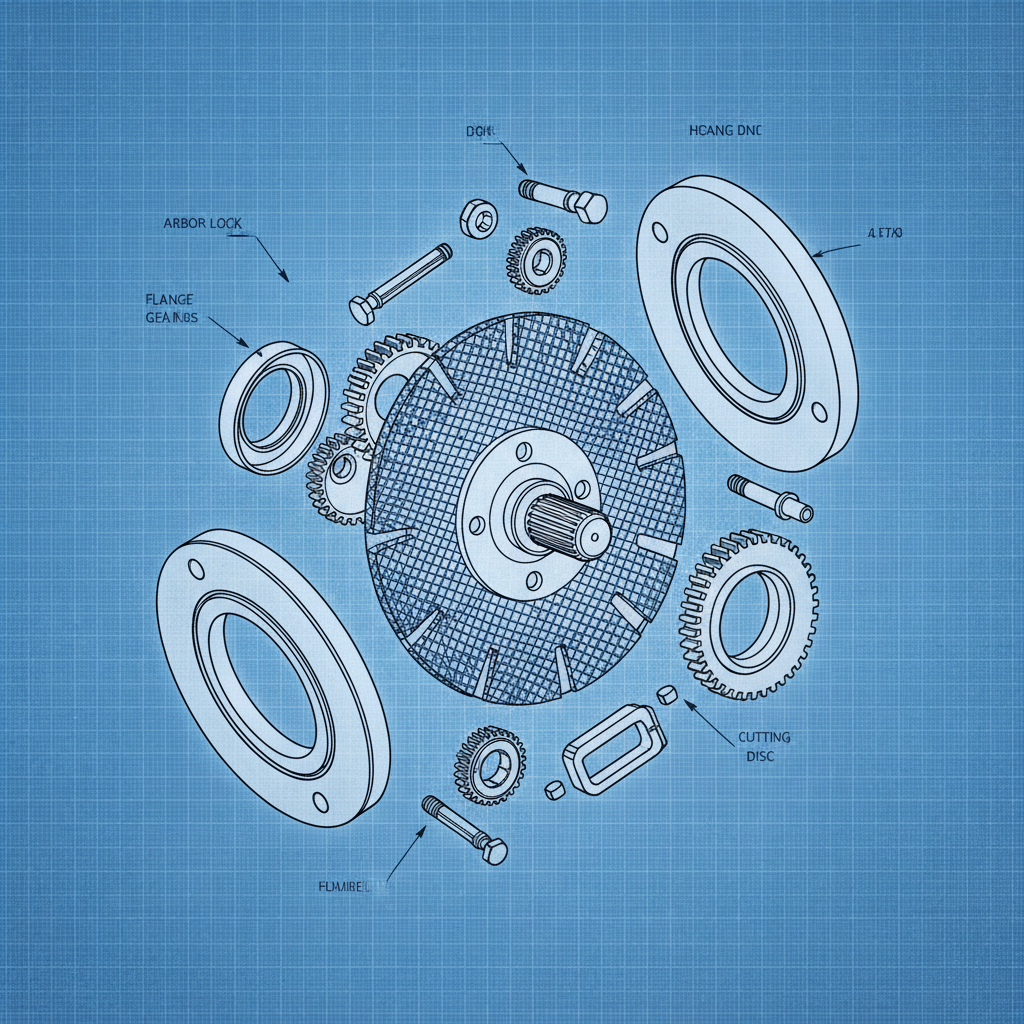
Proper maintenance and storage extend the lifespan of your 4 1 2 stone cutting disc. After each use, clean the disc to remove dust and debris. Store discs in a dry, protected environment to prevent rust and corrosion. Avoid dropping or impacting the discs, as this can compromise their integrity. Regularly inspect discs for signs of wear or damage and replace them as needed. Discard damaged discs responsibly according to local regulations.
Conclusion: Optimizing Your Stone Cutting Performance
Investing in high-quality 4 1 2 stone cutting discs from a trusted supplier like CutoffDiscs.com is crucial for achieving precise cuts, maximizing efficiency, and ensuring safety. By understanding the different disc types, selecting the right disc for your application, and adhering to proper safety procedures, you can optimize your stone cutting performance and achieve professional results.
Frequently Asked Questions (FAQs)
What's the difference between a dry and wet cutting disc?
Dry cutting discs are designed for use without water, relying on the abrasive action of the grains to remove material. They generate more dust and heat and are typically used for softer materials. Wet cutting discs, on the other hand, require a water supply to cool the disc and reduce dust. They're ideal for harder materials like granite and porcelain, providing cleaner cuts and extending disc lifespan. Using the wrong type of disc can lead to premature wear, reduced cutting performance, and increased safety risks.
How often should I replace my stone cutting disc?
The frequency of replacement depends on usage and the material being cut. Visually inspect the disc before each use for cracks, chips, or excessive wear. If you notice any damage, replace the disc immediately. Even if no visible damage is present, a disc should be replaced after prolonged use or when its cutting performance significantly diminishes. A worn disc is less efficient and poses a safety hazard.
What RPM should I use with my 4 1 2 stone cutting disc?
Always refer to the maximum RPM rating printed on the stone cutting disc itself. Do not exceed this speed. The RPM rating of your angle grinder or circular saw should also be considered. If your tool's maximum RPM is higher than the disc's rating, use a speed control setting to ensure you stay within the safe operating range. Exceeding the RPM limit can cause the disc to shatter, leading to serious injury.
Are there different bonds available for stone cutting discs?
Yes, stone cutting discs utilize different bonding materials to hold the abrasive grains together. Resin bonds are the most common, offering a good balance of cutting speed and durability. Vitrified bonds are used for harder materials and provide longer disc life, while metal bonds are often used for specialized applications like cutting reinforced concrete. Choosing the appropriate bond type is essential for optimal performance and safety.
Post time:Jan - 30 - 2026