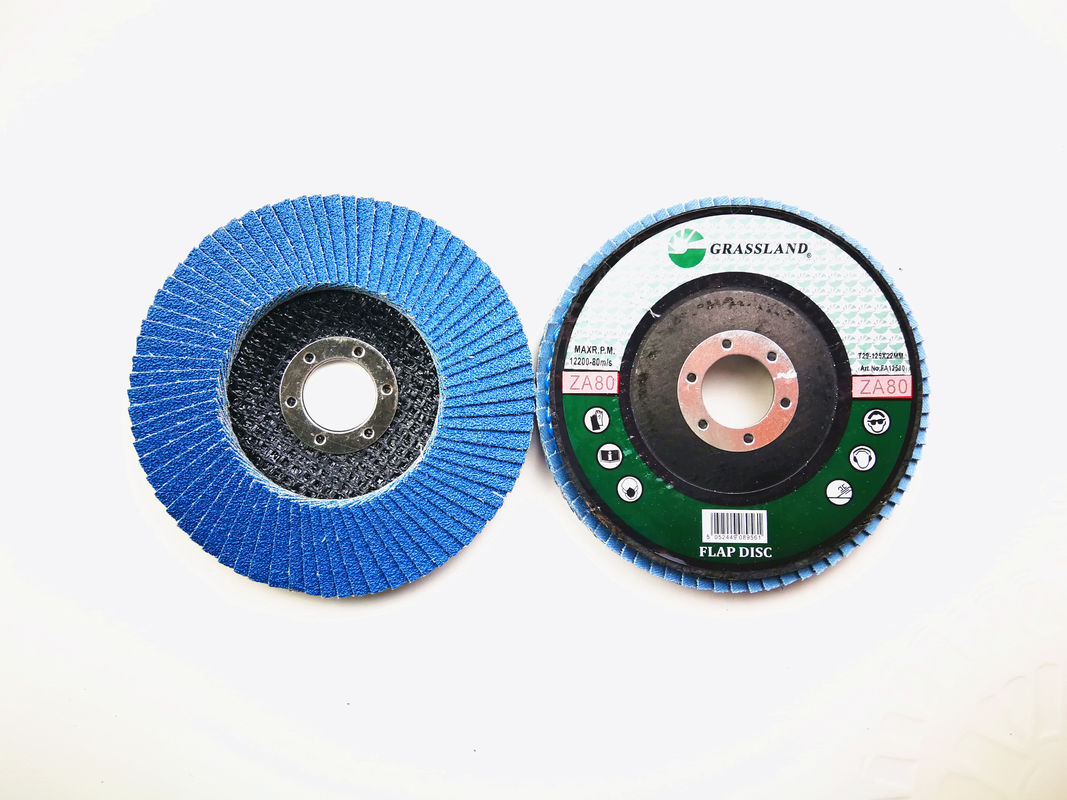
High Performance Resin Bonded Stone Cutting Disc in China
Achieving a clean, precise cut in masonry and concrete requires a balance of abrasive hardness and bonding integrity. For industrial contractors and distributors, sourcing a high-performance stone cutting disc in china involves evaluating the synergy between raw materials and manufacturing precision. Resin-bonded silicon carbide discs are specifically engineered to tackle the high-density nature of stone, providing a solution that minimizes heat buildup while maximizing the cut rate. By utilizing MPA-certified production standards, these tools ensure that operators can maintain a consistent 90-degree approach without compromising the structural integrity of the wheel, which is critical for both safety and operational efficiency in heavy-duty construction environments.

Technical Composition of Silicon Carbide and Resin Bonding Systems
The efficiency of a stone cutting tool is primarily determined by its abrasive grain and the matrix that holds it together. Silicon Carbide is utilized for its extreme hardness and sharp cutting edge, making it ideal for non-ferrous metals, concrete, and various types of stone. When paired with a high-grade resin bond, the disc achieves a controlled wear rate, ensuring that fresh abrasive grains are exposed as the surface wears down, which prevents glazing and overheating during prolonged use.
Technical specifications such as grit size (ranging from 24# to 60#) allow users to choose between aggressive material removal and finer finishing. A hardness rating of 'R' combined with a maximum working speed of 80 M/S ensures the disc can withstand the centrifugal forces of high-speed grinders while maintaining a stable cut. The flat-type design is optimized for deep, straight cuts, provided the tool is always presented to the workpiece at a perpendicular angle to avoid side-loading failures.

Industrial Application Scenarios and Material Compatibility
These abrasive discs are engineered for versatility across several demanding sectors. In masonry, they are essential for cutting bricks, cinder blocks, and natural stone. In urban infrastructure, they provide the necessary precision for concrete slab modifications and utility trenching. The ability to handle non-ferrous metals further extends their utility in mixed-material demolition and fabrication projects.
- Masonry Work: Precision cutting of granite, marble, and sandstone for architectural cladding.
- Concrete Construction: Rapid cutting of reinforced concrete for structural adjustments.
- Industrial Fabrication: Efficient processing of non-ferrous materials in workshop environments.
The primary objective is to optimize the "Cut Life" and "Cut Rate" balance. By managing heat buildup through a refined resin matrix, these discs allow for longer continuous operation, which reduces downtime and increases the overall productivity of the job site.
Quality Assurance and European Safety Standard Compliance
Safety is paramount when operating high-speed cutting tools. Compliance with EN12413 (the European Safety Standard) ensures that every disc has undergone rigorous testing for bursting strength and balance. MPA certification serves as a benchmark for quality, signifying that the manufacturing process—from raw material inspection to the final hardening stage—is strictly monitored.
Advanced manufacturing involves the use of computer-controlled electric heating tunnel hardening furnaces. By maintaining precise temperatures across a 52.5-meter production line, the bond strength is homogenized throughout the disc. This prevents localized weak points, significantly reducing the risk of disc failure. Furthermore, a complete quality information traceability system ensures that every batch can be traced back to the original raw material lot, providing an essential layer of accountability for large-scale procurement.
Technical Specification and Dimensional Matrix
| Item Number | Specification (mm) | Arbor Size | Max Speed |
|---|---|---|---|
| DCC1003316 | 100 x 3.2 x 16 | 16mm | 80 m/s |
| DCC1153222 | 115 x 3.2 x 22.2 | 22.2mm | 80 m/s |
| DCC1253222 | 125 x 3.2 x 22.2 | 22.2mm | 80 m/s |
| DCC1503222 | 150 x 3.2 x 22.2 | 22.2mm | 80 m/s |
| DCC2303222 | 230 x 3.2 x 22.2 | 22.2mm | 80 m/s |
Procurement Evaluation for Industrial Abrasive Tools
When evaluating a supplier for abrasive wheels, procurement managers should look beyond the initial unit price and focus on the total cost of ownership. A lower-cost disc that wears prematurely or requires frequent replacements increases labor costs and project timelines. Key evaluation criteria include the consistency of the resin bond and the purity of the silicon carbide grains.
Strategic partnerships with manufacturers who possess fully-automatic production equipment (such as the 76 sets employed by Hebei Double Goats) ensure a stable supply chain and consistent product quality. For those importing from overseas, verifying certifications like ISO9001 and OHSAS 18001 provides confidence in the factory's operational standards and environmental responsibility, reducing the risks associated with international sourcing.
Future Trends in Resin-Bonded Abrasive Technology
The industry is moving toward "smarter" abrasives that offer higher precision with lower power demands. Innovations in the hardening process, such as the implementation of longer, computer-controlled heating tunnels, allow for a more stable molecular structure in the resin bond. This results in discs that can operate at higher speeds with lower vibration, enhancing both user comfort and the quality of the cut.
Additionally, there is a growing demand for specialized grit combinations to handle ultra-hard concrete and composite materials. By integrating advanced R&D and a dedicated laboratory for raw material testing, manufacturers can now customize the hardness and grit size to match specific regional stone types, ensuring that the tool performs optimally regardless of the geological characteristics of the workpiece.
Technical FAQ and Operational Guidelines
What is the primary difference between resin-bonded and diamond discs for stone cutting?
Resin-bonded silicon carbide discs are generally more cost-effective for general-purpose masonry and concrete cutting, whereas diamond discs are used for extremely hard materials. Resin-bonded discs provide a balanced cut rate and life for standard construction materials.
Why must stone cutting discs be held at a 90-degree angle?
These discs are designed for peripheral cutting. Applying side pressure or using them for grinding can cause the disc to warp or shatter, creating a severe safety hazard. Always maintain a perpendicular approach to the workpiece.
How does the grit size (24# vs 60#) affect the cutting performance?
Lower grit numbers (e.g., 24#) have larger particles for faster, more aggressive material removal. Higher grit numbers (e.g., 60#) provide a smoother finish and are better suited for materials requiring higher precision.
What does MPA certification signify for an abrasive wheel?
MPA certification indicates that the product meets strict European safety and quality standards (EN12413), ensuring the disc can safely handle the rated maximum working speed without failing.
Can these discs be used for cutting steel or iron?
No, these are specifically designed for stone, concrete, and non-ferrous metals. Using them on ferrous metals like steel will cause rapid wear and may lead to premature disc failure.
What is the significance of the 'R' hardness rating?
The 'R' rating refers to the grade of the bond. It determines how quickly the abrasive grains are released during cutting. An 'R' grade is optimized for the density of stone and concrete to ensure a steady cut rate.
Industry Technical References
- ISO International Standards for Quality Management
- European Norms for Abrasive Products (EN12413)
- OSHA Safety Guidelines for Power Tool Operation
- ANSI Standards for Abrasive Wheels
For procurement managers seeking reliable industrial cutting solutions, prioritizing MPA-certified manufacturing and rigorous traceability is the most effective way to ensure site safety and operational efficiency.
Related Industrial Insights